Monday, April 15, 2019

Getting Down & Dirty


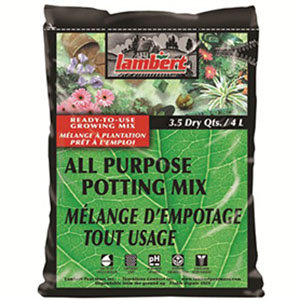
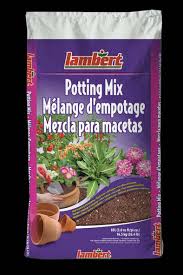
When it comes to potting soils and planting mixes, there are so many choices out there. Do we know what’s really important to the seasoned hobbyist when they shop for soils? What about the newcomer about to get their hands dirty for the first time? What’s communicated to the consumer ON the bag regarding what’s IN the bag? Let’s examine some of the top-selling potting soil products and the benefits that are pitched by the manufacturers.

First Glance: Improved Packaging

With garden centers and nurseries today, a premium is made to stock and sell independent-only brands… and be profitable in selling them. With Miracle Gro potting soil deeply entrenched in the box stores over the past two decades, validating quality soils to sell with easy-to-read (and well-branded) packaging is a must for any garden center owner.
Schultz was the first company to introduce great packaging with gusseted bottoms to stand up neatly on the shelf and also withstand the weather elements. Today’s manufacturers produce great packaging that’s not only colorful with informative labels, but also includes features like zip-lock tops, a family of related products and quality ingredients. Let’s look beyond the beauty of the package and examine what’s inside (ingredients!), which really personifies each vendor offering.

No More Dirt in the Bag

Today’s potting soils and planting mixes are carefully formulated and blended, with each component bringing something important to the recipe. The most common ingredient is peat moss, which varies in quality, screen or particle size, and percentage of mix formula.
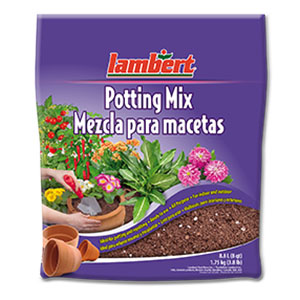
Another observation might also be color, which is a trait of Lambert’s harvesting peat bogs. Lambert produces Sphagnum peat ranging in color from blond to brown to black, depending on where in the bog it’s been harvested. Brown is most common among retail mixes. Blond is preferred for seed germination. Black is popular among mushroom growers.
The percentage of Sphagnum peat can range from 40-75% depending on the mix. An example of Espoma’s Potting Soil Mix sports a 45-55% formula of sphagnum peat moss. Products with a higher percentage of peat are more challenging to wet once they’ve dried out, as peat repels water, too.

Another necessary ingredient in most retail soils is dolomitic limestone, to help adjust the pH right out of the bag. With common additions of humus and perlite, you have the bulk of soil recipes covered in many products.

Now just like crafted beers, the buck certainly stops here. You see, each potting soil/planting mix is also handcrafted with additional active ingredients to optimize plant performance. Different actives provide different results. The trend continues by adding nutrients through selected organics to help naturally feed plants over time. The only remaining factor inside the bag to some varying degree is moisture content.

High-Performance Organics

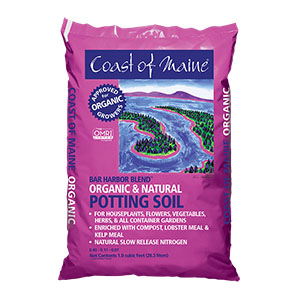
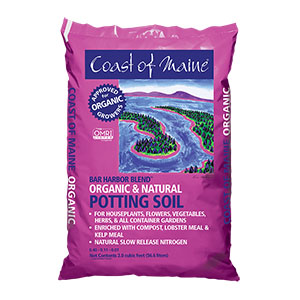
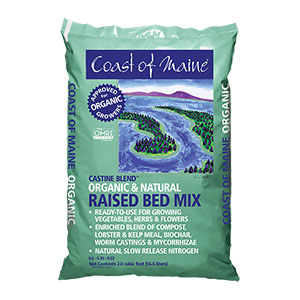
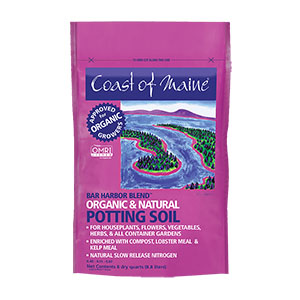
Upon further inspection of any high-quality potting mix bag, you’ll see a listing of natural and organic additives. These may include earthworm castings, coconut coir (for water retention), alfalfa meal, gypsum, shrimp meal, crab or lobster meal (for added calcium, an important plant growth element), seaweed and various types of aged compost-based products (such as those produced by Coast of Maine). The recent addition of adding active mychorrhizae has been shown to reduce plant stress, enhance root systems and increase nutrient and water uptake.

Sure, the cost goes up for premium products, but also consider the success rate for those consumers who are newbies to the garden. They need help to be successful with their planting endeavors. Healthy soil is paramount to growing healthy plants!

Food for Thought

We’re reminded daily about the importance of healthy living. The messages are everywhere, influencing how we think, how we shop and especially how we eat. If you’re reading labels in the grocery store to see calories, fat content, carbohydrates and ingredients to inform your purchasing decision, how long will it be before this carries over into the lawn and garden market? Or has it already?
Are your customers looking at the labels of potting soils and mixes? Do they care if there are animal blood meals, manufactured fertilizers and artificial ingredients like starter charges in their garden soils? With the onset of legalized cannabis across the country and the potential for a new chapter in home gardening, do they search for purity, high quality and high performance in what they buy? Truthfully, it’s not tomorrow’s shopper, the time has come today. Don’t take what’s inside the bag for granted… just check the label!


This Month's Featured Products


Bar Harbor Blend Premium Potting Soil 8 qt.
No 81600011

Buy Now

Bar Harbor Blend Premium Potting Soil 1 cf.
No 81600008

Buy Now

Bar Harbor Blend Premium Potting Soil 2 cf.
No 81600007

Buy Now

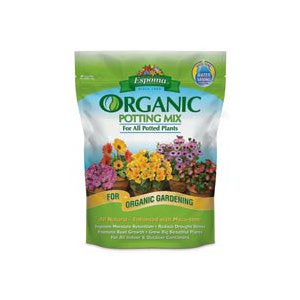
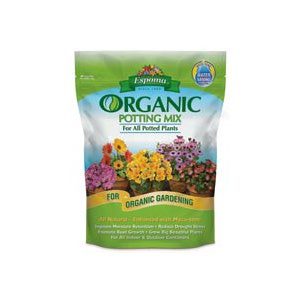
Organic Potting Mix 4 qt.
No 80030029

Buy Now

Organic Potting Mix 8 qt.
No 80030040

Buy Now

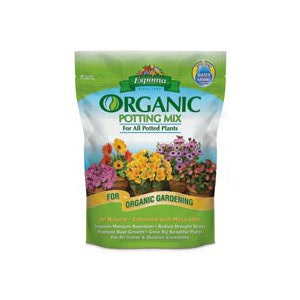
Organic Potting Mix 16 qt.
No 80030001

Buy Now

Organic Potting Mix 1 CU.
No 80030002

Buy Now

Organic Potting Mix 2 CU.
No 80030013

Buy Now

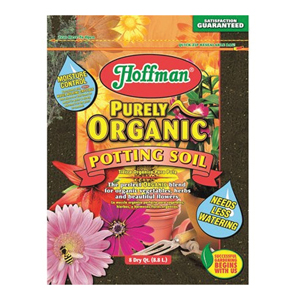
Purely Organic Potting Soil 8 qt.
No 80070009

Buy Now

Purely Organic Potting Soil 16 qt.
No 80070011

Buy Now

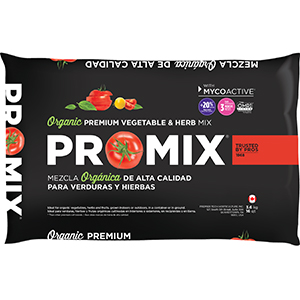
Organic Premium Vegetable & Herb Mix 16 qt.
No 80310032

Buy Now

Organic Premium Vegetable & Herb Mix 1 CU.
No 80310013

Buy Now

Organic Premium Vegetable & Herb Mix 2 CU.
No 80310014

Buy Now

All Purpose Potting Mix 4 qt.
No 81940012

Buy Now

All Purpose Potting Mix 8 qt.
No 81940013

Buy Now

All Purpose Potting Mix 32 qt.
No 81940014

Buy Now

All Purpose Potting Mix 1.0 CU
No 81940015

Buy Now

All Purpose Potting Mix 2.0 CU
No 81940016

Buy Now


Printable version


Tuesday, March 19, 2019

Starting from Scratch... Then Sniff


It’s time to turn back the clock on something that’s been missing from the garden for many years: fragrance. Our national flower, the rose, was replaced by a low-maintenance alternative that blooms freely, has great disease resistance and is easy to grow. Since their introduction in 1998, Knock Out roses have changed the rose world and how flower breeders approach their work. Well, times have changed (again) and this is a feel-good article of returning to our (rose) roots.


Historical Roses

I can speak from experience on the topic of roses, as I’m a former consulting rosarian for the American Rose Society. Consumers couldn’t resist the mail order catalog from Jackson & Perkins to view the newest roses and flock to the nearest garden center to buy. The 1960s were dominated in sales by Peace (1945) and the first grandiflora rose variety, Queen Elizabeth (1955). The 1970s brought us First Prize (1971) and Double Delight (1977), which fascinated homeowners with both fragrance and amazing color. The 1980s introduced a new rose in a new class for the All-American Rose Selection winners, Bonica (1982). This was significant in that it was the first shrub rose to receive this award, and it’s changed the playing field ever since.

Winner by Knock Out and Still Champion

Roses were a lot of work for gardeners, until the Knock Out rose. America chose to love this rose for its non-stop blooming, disease resistance, and vigorous growth. Fragrance, however, was not an option. The slow death of unique roses bred for amazing colors, plant habit and fragrance soon began to vanish because of diminished popularity. The Knock Out and its family of sports and hybrids outsells traditional roses two to one. Just plant it and forget it! It will outbloom a marigold and last a lot longer.

Fragrance is Back!

There’s hope in consumers once again having exposure to fragrant rose varieties. Brindabella Roses from Suntory Flowers is the newest (and most fragrant) in landscape durable roses. Brindabella plants not only look pretty in the garden with their free-flowering habits, but bring back that old-world charm with their aroma. Check out Griffin’s newest rose varieties with our plant specialists. All that’s needed is 4-6 hours of direct sunlight, planting soil that’s been upgraded to include added organics, a soil PH of around 6.5 to 7.0 and a feeding schedule of fertilizers once every 4-6 weeks throughout the growing season for the best results. As a garden center or retailer that sells roses, make sure you identify the fragrant selections in your assortment.

Where roses aren’t in demand, the consumer has shifted a buying focus on fragrant shrubs and perennials. Proven Winners continues to drive plant breeding to new heights. The ColorChoice flowering shrubs offer a huge selection of fragrant plants. Combined with new retail products that are time savers for plant care, there’s no better time for fragrance aficionados. It’s time to stop and smell the garden once again!


This Month's Featured Products


Castine Raised Bed Mix
No 81600061

Buy Now

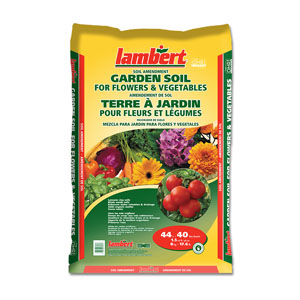
Gardening Soil - Flower & Veggie
No 81940009

Buy Now

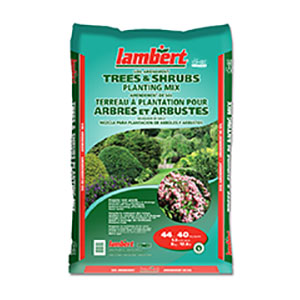
Trees & Shrubs Mix
No 81940011

Buy Now

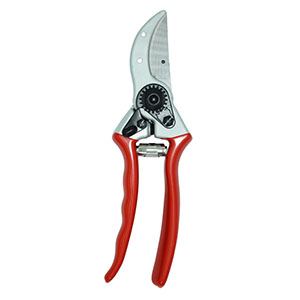
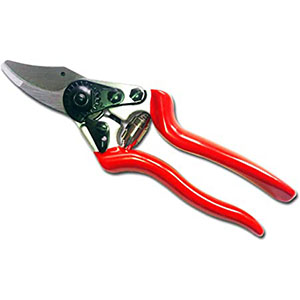
Classic Swiss Bypass Pruner #2
No 81930004

Buy Now

Classic Swiss Bypass Pruner #6
No 81930005

Buy Now

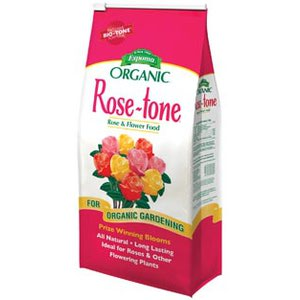
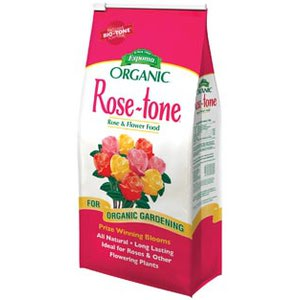
Rose-tone 4-3-2 8 lb.
No 80030038

Buy Now

Rose-tone 4-3-2 18lb.
No 80030111

Buy Now

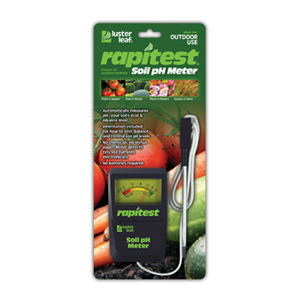
Rapitest Soil pH Meter
No 80140009

Buy Now

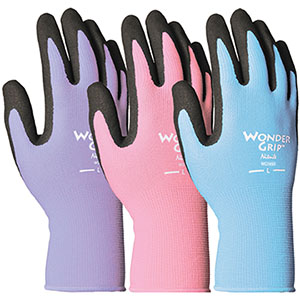
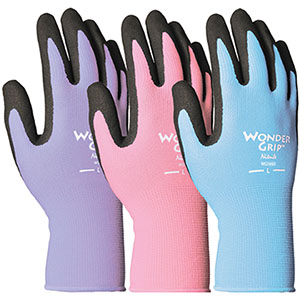
Wonder GRIP Nearly Naked Small
No 80090238

Buy Now

Wonder GRIP Nearly Naked Medium
No 80090239

Buy Now

Wonder GRIP Nearly Naked Large
No 80090240

Buy Now

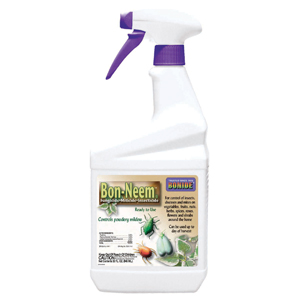
Bon-Neem II
No 80100245

Buy Now


Printable version


Wednesday, February 20, 2019

Tune In the Perfect Bed & Breakfast


March is the month wherein we peer out our windows, looking for a sign – any sign! – of spring. With each day we cross off the calendar, we hope for sunny days and returning warmer temperatures. One of the first wild birds to appear is the American Red Robin. When this beauty roams the ground for earthworms that move through warming topsoil, we know spring is on its way. Their sound is unmistakable. Here are some tips to entice the rest of the flock.

I Am the Entertainer

Billy Joel would be making plans now to install birdhouses of various types, to draw entertainment from wild bird species out on Long Island. Not all birds inhabit houses out in the open, but the opportunity is there for attracting the Purple Martin, whose voracious appetite for flying insects and mosquitoes will cut down populations throughout the summer months. This bird lives in colonies in multi-room houses erected on poles at least 12-18 feet into the air.

Being the largest sparrow in North America, Purple Martins entertain with an air show of speed and agility wherever they nest. Besides a traditional 6- to 18-room house, homeowners may erect multiple gourds of various compositions.

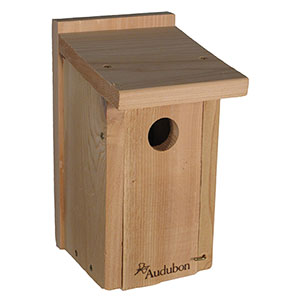
Another desired open-space bird species is the Eastern Bluebird. From Cold Spring Harbor to Arizona, consumers are fascinated with its beautiful color and unique song. The houses are usually specific in size of opening, constructed of untreated wood like cedar and hung in lightly forested areas. Bluebirds are similar to woodpeckers in that they prefer insects (mealworms) as their chosen food source. Consumers should provide nesting materials nearby for males to gather and place inside compartments.

Feed the Birds

Walt Disney’s favorite song from Mary Poppins featured the British word tuppence which was a two pence (penny) bag of bird food. Today’s bird food options come at a much higher cost, but also a much higher quality. Mary’s bag of bread crumbs can’t compare to the elaborate mixtures of safflower, sunflower, pumpkin seed, fruits, nuts, suet kibbles and Niger seed that we have to offer.

The hardest recommendation to make to the consumer is to spend a bit more for quality. Since bird food is sold by weight, you can find cheap seed with lots of fillers and hulls in it. These are almost always discarded by the birds. The more seed scraps the birds discard to the ground, the faster the feeder will empty.

Clear bags of bird seed show exactly what you’re buying in terms of quality and cleanliness. Keep in mind that the broader the variety of ingredients, the wider range of wild bird species are attracted. And, don’t forget their friends from the ‘hood might crash the party for their favorite foods: squirrels, chipmunks, raccoons and bears.

Splish Splash

Bobby Darin’s hit song has all the birds “rub-dub, just relaxin’ in the tub!” Introducing water to the backyard is critical to attracting wild birds of all species. It serves two purposes for the birds: hydration and hygiene. Birds frolic in the water to remove dirt and dust from their wings, and to keep their body temperature cool during hot and dry days.

There are many styles and compositions to consider. Plastic, concrete, ceramic, terra cotta are just some types for both standing and hanging bird baths.

The key to success at home lies in the consumers’ ability to keep it filled and clean. Bacteria from stagnant water can be harmful to birds and wildlife. Advise customers to clean their new bird baths frequently with a pressure hose to quickly remove debris and feces. If mold or sticky film is present, a weak solution of water and bleach is a simple and fast remedy. Make sure to allow the bird bath to dry completely before refilling.

Time for your next track in April, Seals and Crofts’ “Hummingbird,” please!


This Month's Featured Products


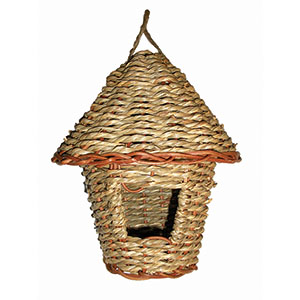
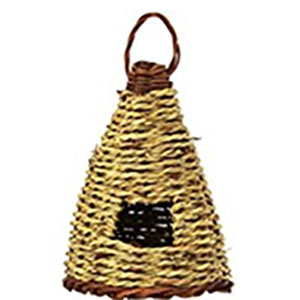
Woven Rope Roosting Pockets with Roof
No 81730396

Buy Now

Woven Rope Teardrop Roosting Pockets with Roof
No 81730397

Buy Now

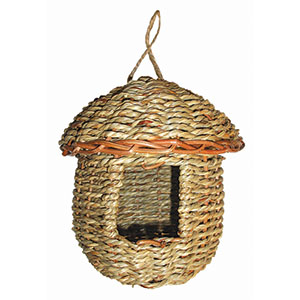
Woven Rope Acorn Roosting Pockets with Roof
No 81730398

Buy Now

Woven Rope Hive Roosting Pockets with Roof
No 81730399

Buy Now

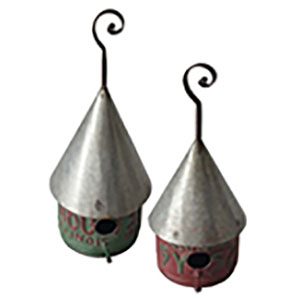
Classic Tin Cone Birdhouse
No 81791421

Buy Now

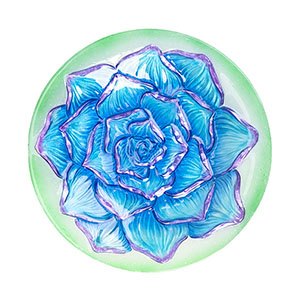
Assorted Bird Baths 18"
No 80161305

Buy Now

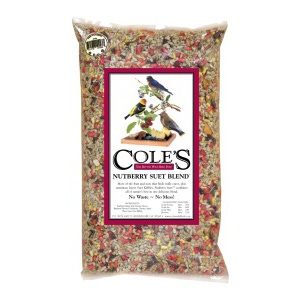
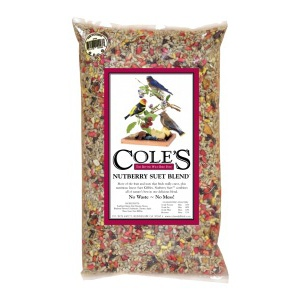
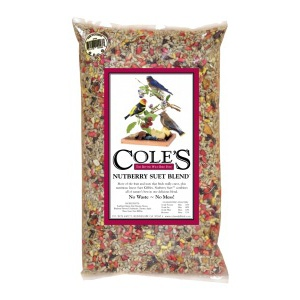
Nutberry Suet Blend 5lb.
No 80370043

Buy Now

Nutberry Suet Blend 10lb.
No 80370044

Buy Now

Nutberry Suet Blend 20lb.
No 80370045

Buy Now

National Audubon Bluebird House
No 80440083

Buy Now

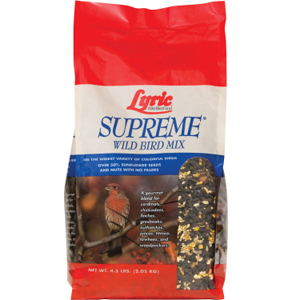
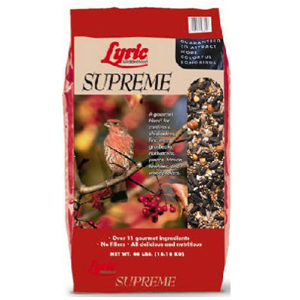
Supreme Mix 4.5lb
No 80350159

Buy Now

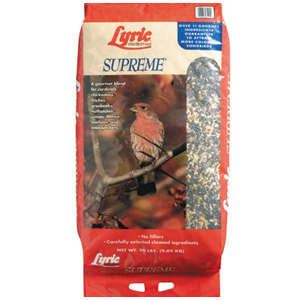
Supreme Mix 20lb.
No 80350160

Buy Now

Supreme Mix 40lb.
No 80350161

Buy Now


Printable version