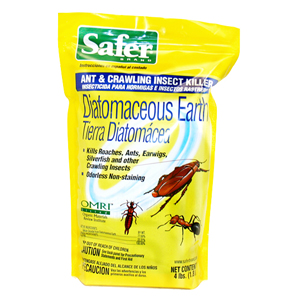
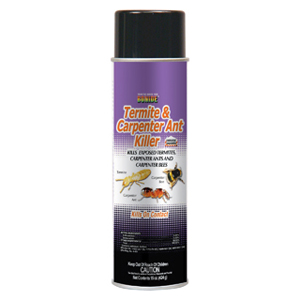
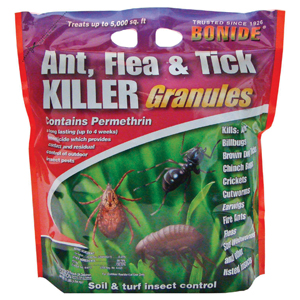
Many of us recall this song from childhood: “The ants go marching one by one, hurrah, hurrah.” It seemed innocent enough back then. Even today, we have ant farm kits available to entertain the most daring and inquisitive minds for willing parents. But as homeowners, we view ants through a different lens, and face the challenges of identifying and controlling ants in and around our homes. Ants are problematic just about everywhere in North America, whether it’s the nuisance type or ones with a painful bite. They’re found wherever there’s food, moisture or decay. Here are some common ant species to look out for, and the appropriate courses of action to combat each. Depending on your geographic region, you may choose to stock solutions for several different species. Space Invaders The Black Garden Ant is a species found under rocks, bricks, lumber and crevices. It’s very active in foraging for food and keeping its colony (and queen) alive for a few decades. Black Garden Ants eat a variety of foods including soft fruits like raspberries and strawberries, small seeds, leftover food particles, small insects and even sugar nectars. Our industry manufactures specific chemistry to neutralize and kill transparent ant colonies in and around the home along with control products for lawn areas. The most destructive species of ants to farms and agricultural crops include the Leaf Cutter Ant, which can strip leaves of citrus trees, and the Harvester Ant Research statistics estimate that they cost the crop industry over $1 billion dollars in destroyed vegetation. The Carpenter Ant tunnels and makes its nests usually in moist or decaying woods and, although they don’t eat wood like the termite, they can weaken structural integrity if left unchecked. It’s a reportable condition with real estate transactions. These ants don’t sting, but they can bite. Just killing the ants that are visible doesn’t eliminate the colony or stop progression. You need to eliminate all colonies, including main and satellite locations. Ant baits containing the active ingredient Borax or boric acid are the most common method of treatment for ant control. However, Carpenter Ants are treated with unique active ingredients developed for indoor and outdoor use. Unwanted Dinner Guests In Southern regions, the Red Imported Fire Ant is a painful biting and stinging ant that was accidentally imported from South America in the 1930s. They build nesting mounds in just about any soil type but prefer open grounds like pastures, lawns and fields. Fire Ants reproduce rapidly with aggressive and swarming behaviors. Baiting with the appropriate control product near these mounds in early spring and fall allows worker ants to bring the bait back to kill the queen and the colony. Another food-craving ant that’s very common indoors is the Sugar Ant. This little ant is attracted to sugar and grease spills. Sugar Ants spread the word quickly to the colony to follow the trail, collecting and redistributing these foods to the queen and colony. White vinegar is a natural repellent to sugar ants as the acid kills the ant and the smell deters. Another common natural product for treatment is diatomaceous earth, which can be used indoors and outdoors. Encourage do-it-yourself homeowners to keep monitoring the common trails for additional visits. If the situation continues to escalate, they may need to seek the help of a professional ant man. With early and aggressive treatment, hopefully the only Ant-Man they’ll see is in the movie theater.
Optimum performance and good health go hand-in-hand with our perception of fitness, correct? How about your customers’ plants? Are they as fit as they could be? Ornamental plants crave specific elements in their diets. All are important, but iron is especially so. Imagine what would happen if we removed iron from our diets: We’d feel a range of negative effects. Plants are no different.
The Green Machine When we think of maximizing green in our industry, we usually think about fertilizer. The more, the better, right? It’s not that simple. Too much fertilizer can be damaging through excessive salts or overwhelming nutrient uptake, the result of which can actually stop plant growth in its tracks. New and tender root fibers can be irreversibly damaged from excessive feeding of nutrients that offer quick uptake. In fact, this mobility within the plant teaches us how we might diagnose specific symptoms of nutrient deficiency. Age of the plant, moisture, temperature and even the root mass can affect the movement of nutrients throughout a plant.
Iron Chlorosis
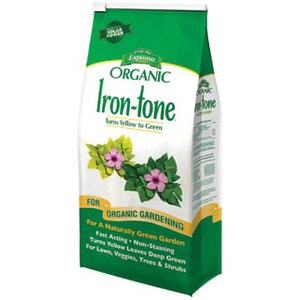
When iron isn’t readily available to plants and lawns, iron chlorosis is a common result. Symptoms include yellowing leaves, slowly developing growth, early leaf defoliation and/or light green leaves with darker veining. These characteristics are often first noticed on young plant foliage, especially in warmer summer temperatures after a cool, wet spring. Although iron is often present in the soil, uptake by plants can be restricted when soil pH is too high (i.e., pH levels above 6.0). A pH adjustment, with the addition of sulfur or iron sulfate, may be just the ticket for customers who are seeing these symptoms their gardens. These products may be applied as foliar sprays or by incorporating a solution to the drip line around the plant or as application to the lawn. Iron can condense on the foliage, causing pitting. It’s best to rinse the foliage with clear water following any iron application before it dries.
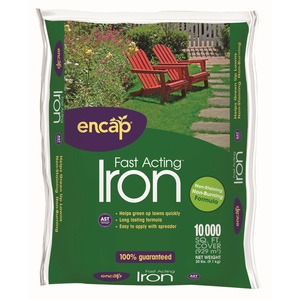
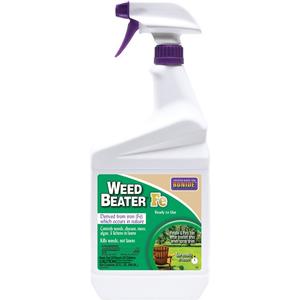
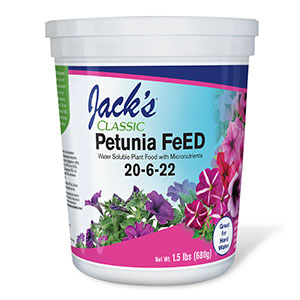
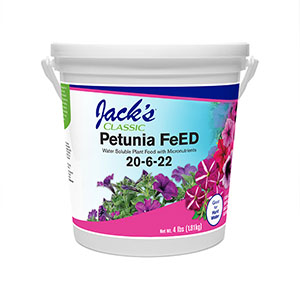
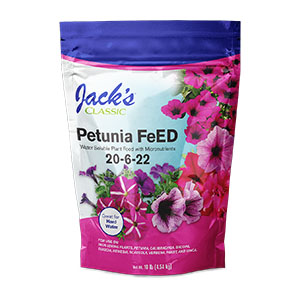
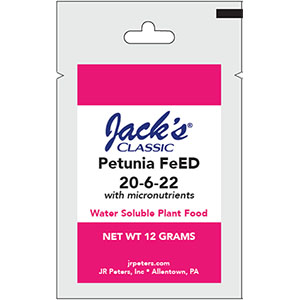
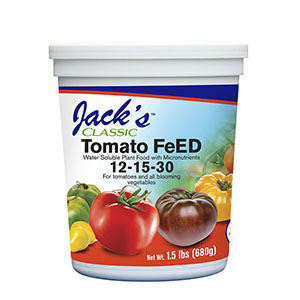
Read the Fine Print Lawn care products are available from many manufacturers, but they’re not all created equal in how plants receive their nutrients, especially in the summer months. Extensive research has been devoted to increasing the speed with which a fertilizer’s effects are visually noticeable in plants and lawns. Some fertilizers include microbes and a non-staining iron supplement to help promote faster greening and deeper roots, while improving soil structure. These fast-acting iron supplements generally range from 1%-12% iron to enhance the deep green color of a lawn without excessive growth. Some high-tech formulas contain humates and gypsum to speed uptake and help condition the soil. Additional Iron (Fe) Products Quite a few iron-enhancing products are available on the market today. Options include fertilizers tailored for iron-hungry flowers like petunia, bacopa, calibrachoa and tomatoes! While ferrous sulfate has been the main ingredient to control and kill lawn moss for years, advise your retail customers to sweep remaining granules off concrete driveways and sidewalks to prevent staining. One of the newest technologies comes from naturally occurring iron-based herbicides or FeHEDTA. Bonide introduced a unique Weed Beater Fe formula that kills broadleaf weeds, moss, algae and disease, plus greens up your lawn. Results are usually visible within hours and it’s pet-safe. This 5-in-1 product effectively works in cooler temperatures, too! This ready-to-use product represents a whole new way for consumers to pump iron!
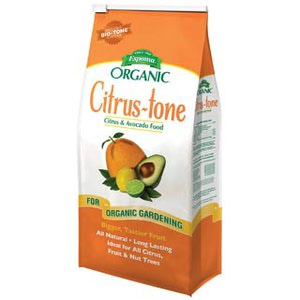
Home gardening has enjoyed a centuries-long love affair with fruit trees. As far back as the 1750s, fruit trees had a prominent place in many backyard colonial gardens. Researchers at Colonial Williamsburg have explored documentation and excavation of many on-site water wells, revealing long-kept secrets of landscaping from our nation’s early years. Many native species of crab apple and cherry trees were bitter for consumption. We owe almost all of our fruit-tree origination to Europe. While nut-baring trees like chestnut and pecan were popular in the New World, fruit trees like apple, peach, plum, quince, pear and even nectarines arrived from overseas via coastal ports. Mostly dormant and bare-root plants were quickly planted on homeowner plots and in nearby orchards. Homesteading 2.0 While fruit trees have transitioned into niche status among newer generations, their fans are loyal. Homemade jellies and preserves, and fresh-picked fruit are seeing a resurgence in popularity. Mail-order catalogs have largely been replaced by the internet and hard-to-find heirloom cultivars are available. Over the past 30-40 years, homeowners have been discouraged by failures to produce good quality fruit, often due to lack of knowledge regarding tree care and maintenance. Fruit trees can also be insect magnets, especially for Japanese beetles and bees. When demand for fruit trees began to wane, supply soon followed suit. Spearheading a Harvest Citrus fruit is especially on-trend among younger consumers, driven at least in part by the craft beer industry. Many popular IPA and craft beers are infused with citrus flavors. The pacesetter for this was, without question, Corona beer, whose television commercials feature the signature lime wedge atop the beer bottleneck. A higher demand for lemon and lime trees has even changed the way we sell plant stock today. Grafting both lime and lemon onto the same rootstock has offered a unique two-for-one sale for space-saving gardeners. Dwarf varieties have improved dramatically over the years; many are plantable in large containers on a deck or patio. Trekking to the local orchard for you-pick apples, peaches and cherries is a favorite fall activity for many families. Some regions of our country really do a great job of promoting and hosting these events! The comeback of canning, jams and jellies, pickling (my favorite is pickled pears) and specialty baking, all using fresh harvested fruit, is another reason to promote fruit tree plantings. Simple Steps for Planting Fruit Trees Advise your customers to plant their trees in well-drained holes that allow the root ball to stand slightly above level grade. The area should also receive at least 6 hours of sunlight per day. A soil conditioner or soil amendment can be added, provided it’s not fresh manure, to the existing topsoil drawn from the hole. Homeowners will want to keep ample spacing between trees. A minimum distance of 12 feet is a good guideline, unless dwarf or espalier varieties are involved. Of course, watering fruit trees is vital to their success, especially if planted in sandy soil. Deep watering helps establish vast root systems. Additional Care Be sure to stock horticultural spray oil, for use to smother overwintering insect eggs. Bonide and Summit offer quality products in this category. The consumer should spray early in the season, once temperatures rise above freezing but prior to bloom and leaf development. Fertilizer can be applied as long as ground isn’t frozen using traditional feeds like 10-10-10. There are proven organics available from Espoma like Citrus-tone 4-3-2, Plant-tone 5-3-3 and the popular favorite, Bio-tone Starter Plus 4-3-3 for all planting conditions. A topdressing of mulch (2-3” inches) will also help conserve moisture. Occasional pruning may be needed to trim away dead wood or sprawling branches. Timing is important on WHEN to prune. Apples, pears and plums are usually pruned during winter months while they’re still dormant. Cherries are pruned during late spring or summer. When in doubt, refer your customer to an arborist or a local county extension service. Above all, encourage your customers to enjoy the fruits of their own labor!
Clover is among the most intriguing weeds in the yard. It’s also one of the toughest to control. Clover commands space in nutrient-deficient soil, often rambling and spreading endlessly in all directions. The soft and delicate leaf surface provides a cushioned feel to anyone seeking barefoot comfort. A large field of white clover showcases an emerald green color unlike few turf grass varieties. It can be marvelous! It can also be a scourge to a homeowner seeking lawn nirvana. Looking Over the Three-Leaf Clover Derived from the Latin word, Trifolium, the three (Tri) leaf (folium) characteristic of clover sports a tough stem and dense root system that creeps along shallow soil zones, resists trampling and responds well to mowing. The most common type of clover in the U.S. is perennial White Dutch Clover. Some clover types grow from 6-12 inches in height and thrive in cool, damp conditions mostly from the Midwest to the eastern half of the United States. For those who choose to brave clover fields in bare feet: Congratulations, you have no fear of stepping on pollenating bees. Agricultural Applications Today’s pasture mixes still use clover seed as part of the forage grass make-up to optimize livestock production. Clover serves numerous purposes: Some use clover between nursery plantings of trees, since it resists herbicides and requires little care. Eventual tilling into the soil provides nitrogen for plant uptake. Clover has merit as a companion crop between rows of sweet corn or other vegetables. Clover is often used in vineyards to minimize erosion, reduce soil temperature and retain moisture as a “living mulch” with its dense coverage. As an added bonus, white clover flowers attract all-important pollinators, too! Shockingly, many years ago, white clover was added into many grass seed mixtures to help reduce soil erosion. It was able to grow in poor soil conditions where other grass seeds wouldn’t germinate. As turf grass development was bred for better texture and color, blends (of the same seed type) replaced mixtures, and clover picked up a reputation as a nuisance weed. The Only Good Weed is a Dead One Homeowners are generally obsessive about having a very good to great lawn. It’s a status symbol and an indicator of a green thumb. Selective weed controls have made it convenient for the homeowner to eliminate undesirable weeds and retain only good perennial seed types. One of the most common active ingredients used for clover control is dicamba. It works safely and effectively when used as directed. While clover is resistant to many chemicals, dicamba penetrates the leaf surface quickly and effectively, often showing results within hours of application. While many control products list clover as a targeted weed, many don’t contain dicamba and need to be reapplied several times to achieve eradication. Since well-established clover patches have crawling root systems, chemical combinations consisting of both dicamba and triclopyr are especially effective in killing clover, usually on the first application. Whatever you choose to stock and sell in your store for clover control, make sure you recommend specifically labelled products that work to their fullest when used as directed. Your lucky customer will have found their four-leaf clover!
This Month's Featured Products
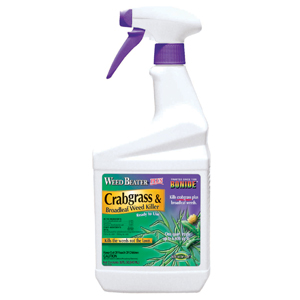
Weed Beater Plus Crabgrass & Broadleaf Weed Killer
No 80100048
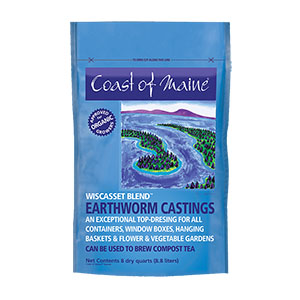
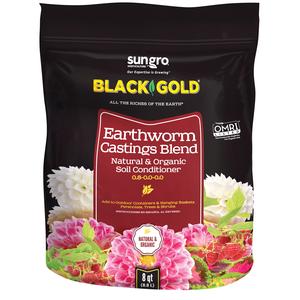
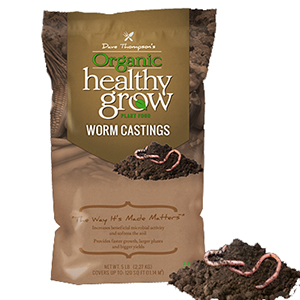
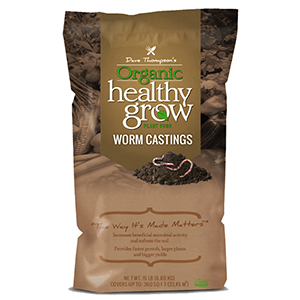
Spring has finally arrived! We can laugh about the groundhog, who is still in protective custody after predicting those six extra weeks of winter. Even during those cold months, one of earth’s most interesting creatures is still diligently at work. I never knew of a manufacturer that worked 24 hours a day, seven days a week to provide an energy tonic that we sell to garden centers nationwide – until now. Alas, earthworm castings are gaining popularity among organic gardeners that prefer an all-organic balance of nutrients of nitrogen, phosphorous and potash. Did you ever imagine that your grade school science project of worm dissection would become a factor in feeding the world? Me neither. Earthworms play a major role in turning organic matter into rich, usable humus. Did you know that earthworms are a $54 million dollar industry by themselves? I only thought of worms as the bait at the end of a fishing line as a child. But there’s so much more to know. The earthworm feeds on both organic and dead matter in the soil. “Worm casts are five times richer in available nitrogen, seven times richer in available phosphates and 11 times richer in available potassium than the surrounding upper six inches of soil,” according to Wikipedia. Its content is readily available to all types of plant life. While earthworms are abundant in the United States, research has shown that they’re vulnerable to lime sulfur, DDT and lead arsenate. Recent studies have shown that neonicotinoid insecticides like imidicloprid (Merit) severely damage populations of earthworms and new restrictions have tightened up on its use and application. Protecting the health of the earthworm ensures healthier soil. Earthworms will thrive where there is moisture, food (organic matter), oxygen and favorable temperatures. They’re contributing garden workers in other ways, too! Earthworms are very beneficial to gardeners in distributing specific beneficial nematodes that are usually applied in spring. These spores are ingested into their digestive system and spread laterally in their ecosystem, eradicating many sub-soil insects that are harmful to gardens and crops. The Japanese beetle is one such grub that’s destroyed by released bacteria spores when in the larvae stage. Truly a much better solution than applying chemicals to your lawn especially around pets and children. For years, farmers have encouraged earthworm burrows as their constant tunneling aerates the ground to allow for better root development and easier moisture retention; their casting deposits also fertilize the soil. Earthworms are also known to accelerate the decomposition process of composting. Tireless workers that constantly move and never sleep, earthworms are hermaphrodites, which means that each have both male and female sex organs, but they still need “two to tango” in order to reproduce. Many new retail products include earthworm castings as a supplemental ingredient. These can be mixed with potting soil, top-dressed onto soil surfaces, or even steeped in a barrel for a magical compost tea. Castings won’t burn and may be applied indoors or outdoors. Worm castings stimulate faster growth, increased biological activity and bigger yields in plants. If you’d like to include live worms in your product mix, for those consumers who wish to start their own worm farms, we’ve got you covered there, too. We sell and ship directly to your store “live” worms through Orcon Organic Control, which ships approximately 1,800-2,000 worms per pound in all stages and sizes. Just drop or plop into a compost pile… and they’re off to soil utopia! As a child, I never realized how beneficial the earthworm truly was. I only thought the bigger the worm, the bigger the fish I caught. As a gardener however, Mother Nature has given us an amazing creature with magical powers. I’ll never look at the earthworm in the same way again.