Thursday, April 12, 2018

Clover: The Misunderstood Weed


Clover is among the most intriguing weeds in the yard. It’s also one of the toughest to control. Clover commands space in nutrient-deficient soil, often rambling and spreading endlessly in all directions. The soft and delicate leaf surface provides a cushioned feel to anyone seeking barefoot comfort. A large field of white clover showcases an emerald green color unlike few turf grass varieties. It can be marvelous! It can also be a scourge to a homeowner seeking lawn nirvana.

Looking Over the Three-Leaf Clover

Derived from the Latin word, Trifolium, the three (Tri) leaf (folium) characteristic of clover sports a tough stem and dense root system that creeps along shallow soil zones, resists trampling and responds well to mowing.

The most common type of clover in the U.S. is perennial White Dutch Clover. Some clover types grow from 6-12 inches in height and thrive in cool, damp conditions mostly from the Midwest to the eastern half of the United States. For those who choose to brave clover fields in bare feet: Congratulations, you have no fear of stepping on pollenating bees.

Agricultural Applications

Today’s pasture mixes still use clover seed as part of the forage grass make-up to optimize livestock production. Clover serves numerous purposes: Some use clover between nursery plantings of trees, since it resists herbicides and requires little care. Eventual tilling into the soil provides nitrogen for plant uptake. Clover has merit as a companion crop between rows of sweet corn or other vegetables. Clover is often used in vineyards to minimize erosion, reduce soil temperature and retain moisture as a “living mulch” with its dense coverage. As an added bonus, white clover flowers attract all-important pollinators, too!

Shockingly, many years ago, white clover was added into many grass seed mixtures to help reduce soil erosion. It was able to grow in poor soil conditions where other grass seeds wouldn’t germinate. As turf grass development was bred for better texture and color, blends (of the same seed type) replaced mixtures, and clover picked up a reputation as a nuisance weed.

The Only Good Weed is a Dead One

Homeowners are generally obsessive about having a very good to great lawn. It’s a status symbol and an indicator of a green thumb. Selective weed controls have made it convenient for the homeowner to eliminate undesirable weeds and retain only good perennial seed types. 

One of the most common active ingredients used for clover control is dicamba. It works safely and effectively when used as directed. While clover is resistant to many chemicals, dicamba penetrates the leaf surface quickly and effectively, often showing results within hours of application.

While many control products list clover as a targeted weed, many don’t contain dicamba and need to be reapplied several times to achieve eradication. Since well-established clover patches have crawling root systems, chemical combinations consisting of both dicamba and triclopyr are especially effective in killing clover, usually on the first application. Whatever you choose to 

stock and sell in your store for clover control, make sure you recommend specifically labelled products that work to their fullest when used as directed. Your lucky customer will have found their four-leaf clover! 


This Month's Featured Products


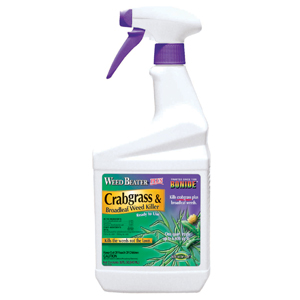
Weed Beater Plus Crabgrass & Broadleaf Weed Killer
No 80100048

Buy Now

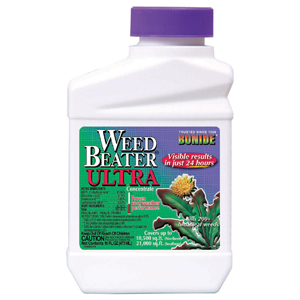
Weed Beater ULTRA 16oz Con
No 80100065

Buy Now

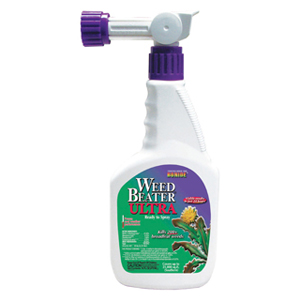
Weed Beater ULTRA 16oz RTS
No 80100023

Buy Now

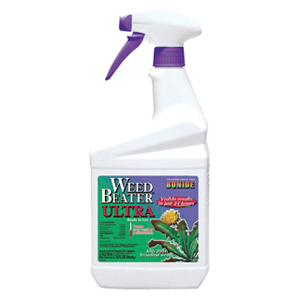
Weed Beater ULTRA 32oz RTU
No 80100022

Buy Now

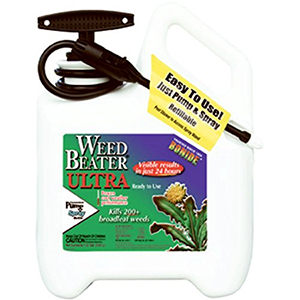
Weed Beater ULTRA 1gal RTU
No 80100164

Buy Now

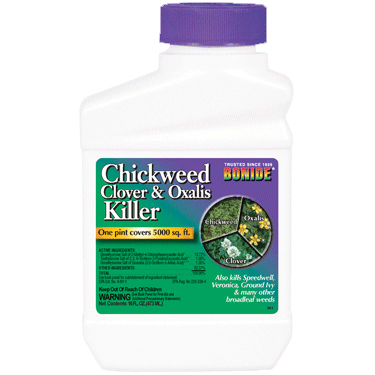
Chickweed, Clover & Oxalis Killer 16oz Con
No 80100202

Buy Now

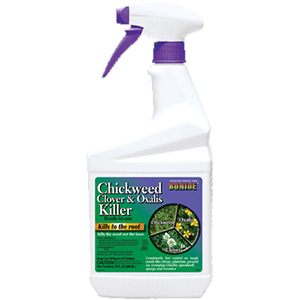
Chickweed, Clover & Oxalis Killer 32oz RTU
No 80100203

Buy Now

Broadleaf Weed Control Plus Lawn Food 27-0-4 5M
No 80350015

Buy Now

Broadleaf Weed Control Plus Lawn Food 27-0-4 15M
No 80350017

Buy Now

2 Gal Premium Funnel Top Sprayer
No 81880004

Buy Now

Green Meter Rotary Spreader
No 81430127

Buy Now

Printable version


Tuesday, March 20, 2018

As the Worm Turns


Spring has finally arrived! We can laugh about the groundhog, who is still in protective custody after predicting those six extra weeks of winter.

Even during those cold months, one of earth’s most interesting creatures is still diligently at work. I never knew of a manufacturer that worked 24 hours a day, seven days a week to provide an energy tonic that we sell to garden centers nationwide – until now. Alas, earthworm castings are gaining popularity among organic gardeners that prefer an all-organic balance of nutrients of nitrogen, phosphorous and potash. Did you ever imagine that your grade school science project of worm dissection would become a factor in feeding the world? Me neither.

Earthworms play a major role in turning organic matter into rich, usable humus. Did you know that earthworms are a $54 million dollar industry by themselves? I only thought of worms as the bait at the end of a fishing line as a child. But there’s so much more to know. The earthworm feeds on both organic and dead matter in the soil. “Worm casts are five times richer in available nitrogen, seven times richer in available phosphates and 11 times richer in available potassium than the surrounding upper six inches of soil,” according to Wikipedia. Its content is readily available to all types of plant life.

While earthworms are abundant in the United States, research has shown that they’re vulnerable to lime sulfur, DDT and lead arsenate. Recent studies have shown that neonicotinoid insecticides like imidicloprid (Merit) severely damage populations of earthworms and new restrictions have tightened up on its use and application.
Protecting the health of the earthworm ensures healthier soil. Earthworms will thrive where there is moisture, food (organic matter), oxygen and favorable temperatures. They’re contributing garden workers in other ways, too!

Earthworms are very beneficial to gardeners in distributing specific beneficial nematodes that are usually applied in spring. These spores are ingested into their digestive system and spread laterally in their ecosystem, eradicating many sub-soil insects that are harmful to gardens and crops. The Japanese beetle is one such grub that’s destroyed by released bacteria spores when in the larvae stage. Truly a much better solution than applying chemicals to your lawn especially around pets and children.

For years, farmers have encouraged earthworm burrows as their constant tunneling aerates the ground to allow for better root development and easier moisture retention; their casting deposits also fertilize the soil. Earthworms are also known to accelerate the decomposition process of composting. Tireless workers that constantly move and never sleep, earthworms are hermaphrodites, which means that each have both male and female sex organs, but they still need “two to tango” in order to reproduce.

Many new retail products include earthworm castings as a supplemental ingredient. These can be mixed with potting soil, top-dressed onto soil surfaces, or even steeped in a barrel for a magical compost tea. Castings won’t burn and may be applied indoors or outdoors. Worm castings stimulate faster growth, increased biological activity and bigger yields in plants.

If you’d like to include live worms in your product mix, for those consumers who wish to start their own worm farms, we’ve got you covered there, too. We sell and ship directly to your store “live” worms through Orcon Organic Control, which ships approximately 1,800-2,000 worms per pound in all stages and sizes. Just drop or plop into a compost pile… and they’re off to soil utopia!

As a child, I never realized how beneficial the earthworm truly was. I only thought the bigger the worm, the bigger the fish I caught. As a gardener however, Mother Nature has given us an amazing creature with magical powers. I’ll never look at the earthworm in the same way again.


This Month's Featured Products


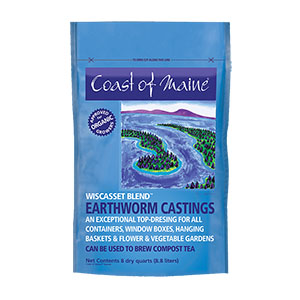
Wicasset Blend Earthworm Castings
No 81600014

Buy Now

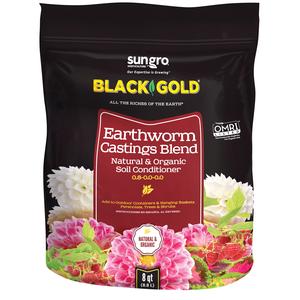
Organic Earthworm Castings
No 80030140

Buy Now

Earth Keeper Castings
No 81890001

Buy Now

Earthworm Castings
No 80320008

Buy Now

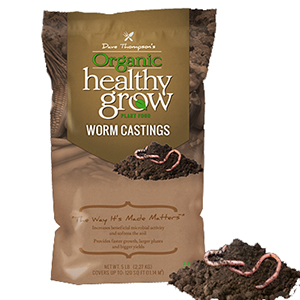
Worm Castings
No 81350021

Buy Now

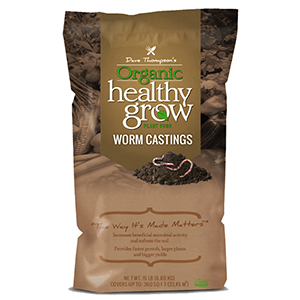
Worm Castings
No 81350022

Buy Now

Printable version


Tuesday, February 20, 2018

Inexpensive Entertainment for Peeps of All Ages


On nearly every retailer visit I make, I check to see if the store has a wild-bird display. Quite a few garden centers have outstanding departments with respectable selections of wild bird foods, nectars, suet and appropriate feeders. Since the big-box explosion of home-improvement stores, many independent garden centers have removed the birding category due to declining sales or uncertainty on how to compete. Some retailers explain that they have difficulty in keeping critters from eating more bird seed than is sold to customers. If any of these challenges hit close to home for you, try rethinking your approach: A new look in this category could generate new interest and new sales this spring. 


Universal Appeal
 
Data from the U.S. Department of the Interior, which protects our great outdoors, supports the expanding world of birding. It’s the fastest growing outdoor activity nationwide with more than 55 million people getting involved at every level, from novice to expert.

It’s easy to understand the universal appeal: Birding is accessible everywhere in the country. Spotting and identifying birds is fascinating for all age groups. The price of admission is negligible; all that’s needed is a good pair of binoculars and possibly a wild-bird reference book to get started.

Here are a few websites to consider sharing with your customers: 

www.audubon.org
www.allaboutbirds.org 

Unusual Sightings 
Television stations were intrigued by sightings of the snowy owl this winter along the Atlantic coastline, as far south as Delaware. This unusual occurrence of this arctic species raised awareness and drew travelers to see these magnificent creatures up close. The boardwalk in Atlantic City, N.J., provided a cameo appearance on a casino awning for days, to the delight of many.

Unfortunately, not everyone is happy about the snowy owl’s appearance. Airport personnel keep a watchful eye on these birds that find the airfields’ open spaces to be similar to their arctic habitat, with wide-open fields and easy-to-see movement of food sources from a distance. Unfortunately, such conditions also make these owls prone to being shot, killed or captured. 

Ornithologists researching the science behind migration patterns are also studying the impact of hurricanes on bird populations and their relocation. This past summer season was a busy one for hurricanes, but it hasn’t stopped “birders” across the country from counting bird species in Houston, Tex., and up the Carolinas’ coastline. 

Enjoying Sales without the Mess
Drawing unique birds into your garden doesn’t have to require bird seed. Some spectacular species are just looking for a food source to attract them to your home. Hummingbirds, for example, are amazing creatures and their annual migratory journey will be starting soon.

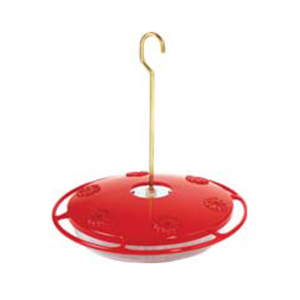
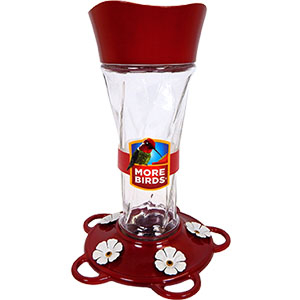
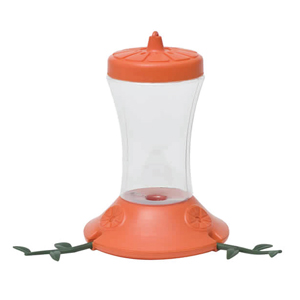
Garden centers are finding that the newest glass hummingbird feeders are as beautiful as they are functional. Easy to fill and clean, these feeders are driving new sales opportunities everywhere. Feeder manufacturers like Perky Pet and Classic continue to be sold in retail stores of all sizes, but you do have a choice. Aspect Feeders are U.S.A.-manufactured in Rhode Island and not sold in the box stores. These high-quality, lifetime-guaranteed feeders are easy to clean and reassemble.  

A Bird of a Different Color
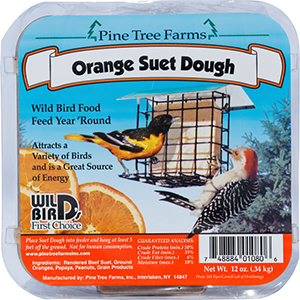
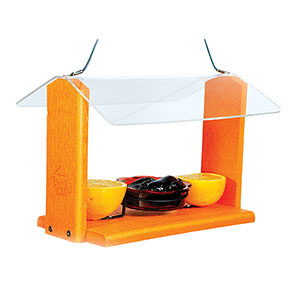
If you live east of the Rocky Mountains, the Baltimore oriole is one of the more colorful and interesting songbirds in America. It’s easily drawn to fruit-bearing plants and enjoys an occasional sip of nectar from the hummingbird feeder. The male oriole has a black head and sports a bright orange crest and underside with a white stripe through its black wings. The female has a duller brown crest. Many homeowners suspend fruit like an orange on a string to entice this little bird with its unmistakable soundtrack.

The month of March is the proper time to begin bird house installations around the yard and garden. Orioles prefer tall deciduous trees to make their nests using string or thin vines. As you plan and prepare to help your customers attract spring songbirds, make sure you’re well stocked with these three things: food, water and protection! These are the keys to birding success at home and, wherever they’re present, the chirping sounds of spring won’t be far behind.


This Month's Featured Products


Aspects Hummzinger Excel 16oz Capacity Hummingbird Feeder
No 80480004

Buy Now

Classic Brands Twist 11 oz
No 81210087

Buy Now

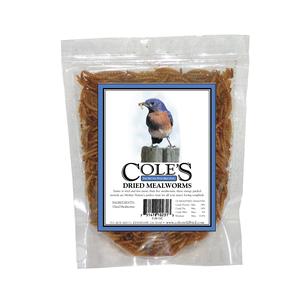
Cole's Dried Mealworms 3.5oz
No 80370063

Buy Now

Pine Tree Orange Suet Dough 12 oz
No 80450005

Buy Now

Perky Pet Oriole Plastic Feeder 24 Oz 6/Case
No 80191162

Buy Now

Audubon Going Green Oriole and Bluebird Feeder
No 80440130

Buy Now

Panacea 4" Black Garden S Hook 2 Pack
No 80160022

Buy Now

Panacea 6" Black Garden S Hook 2 Pack
No 80160023

Buy Now

Panacea 8" Black Garden S Hook 2 Pack
No 80160024

Buy Now

Panacea 18" Black Garden S Hook
No 80160026

Buy Now

Panacea 24" Black Garden S Hook
No 80160027

Buy Now

Panacea 12" Black Garden S Hook
No 80160883

Buy Now

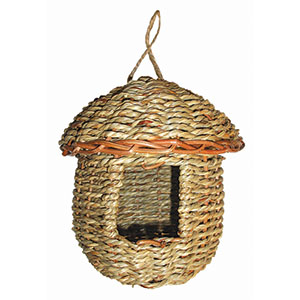
WSP Woven Rope Acorn Roosting Pocket
No 81730398

Buy Now

WSP Woven Rope Hive Roosting Pocket
No 81730399

Buy Now

Printable version


Monday, January 15, 2018

The Curse – and Opportunity – of the Uncommon Cold


Every so often, a new weather record is broken in your state. Whether it’s rainfall, snowfall, drought or – as we’ve seen this month – frigid temperatures, it’s going to happen. As I write this tip, I see a half-inch of ice layering everything in sight around my home in New Jersey. It reminds me of a winter long ago that was so cold, the Delaware River froze and you could walk from Camden, N.J., to Philadelphia, Penn.! Might this year be a record breaker? Read on to prepare for the challenges and the opportunities that may lie 
ahead in spring 2018.


From Bone-Chilling to Silver Lining
Extreme temperature swings can cause major damage to plants and shrubs, especially those planted in regions where consumers cheated the hardiness zones. Only time will tell whether plants will respond to warming temps this time around.

Winterkill from the record-setting arctic blast of January 1985 eliminated nearly an entire collection of roses at Hershey Gardens in Pennsylvania. With sustained temperatures dipping into negative numbers throughout the eastern United States, we saw the impact of losing well-established plants everywhere.

In contrast, 1985 turned into a good year for nursery sales, as consumers shopped for replacement plant material. Maybe this year’s bitter cold will yield another opportunity for sales and profits when spring arrives.

From Slumber Party to Garden Party

Pruning is among the many routine tasks of springtime. However, it’s more than a simple chore; pruning is an art! Most consumers are unaware of its necessity and its benefits, which presents you with an opportunity to educate. By eliminating deadwood and branches, the growth of the plant is replenished by pushing new basal breaks from the crown of perennials and roses. New buds will emerge from branches and canes, and the strength and energy of the plant is concentrated into a smaller area.

Two types of pruning methods pertain to plants, especially roses. First, is a reduction in size by cutting the canes to the desired height while eliminating crossing canes. These canes are cut about a ¼ inch above an outward facing bud eye. The second part of the process is to eliminate dead wood or blackened canes. After winters like this one, consumers may need to prune these canes right down to the rose crown or bud union, where the canes start.

In situations where extreme pruning is needed, plants may take a while longer to produce roses this season. Encourage your customers to be patient: They’ll be rewarded with an eventual flush of new blooms sometime between Mother’s Day and Flag Day, depending on the variety.

An Ounce of Protection, a Pound of Prevention

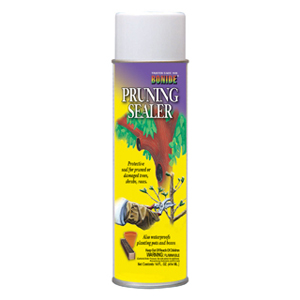
Any cut into the pith of a branch or cane can become a new entryway for insect borers or disease. It’s wise to seal these cuts using a suitable pruning sealer. However, I would caution against using a pruning sealer on rose canes. Many contain petroleum distillates, which may damage soft and sensitive tissue. Instead, advise your customers to use Elmer’s Glue, nail polish or orange shellac on these tips.

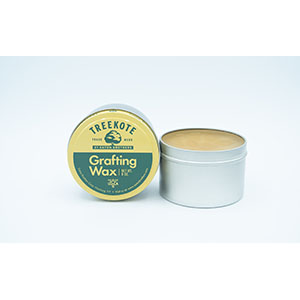
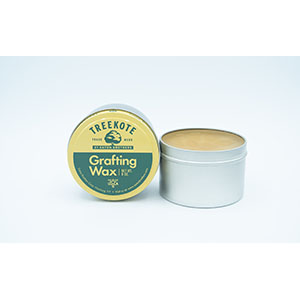
Remind consumers to examine trees for similar damage, such as branches that have slightly broken away from their trunks from the weight of ice and snow. This is especially a concern with Japanese maple varieties. If a compromised branch fully leafs out, it may produce enough weight to splinter away from the trunk. Clark’s Grafting Wax and binding tape may help salvage the branch; be sure to have these products on your shelves as spring arrives.

The Day the Earth Moved

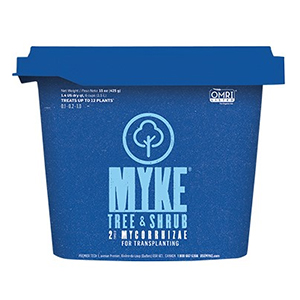
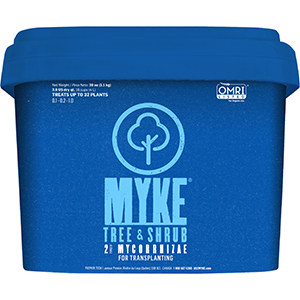
Frost heaving is a common occurrence during the extreme temperature swings of winter. Water and moisture can expand during winter months and, in some examples, sever roots around trees and plants. No worries! It only takes a springtime feeding of organics or the addition of a root stimulant or mycorrhizae to produce new feeder roots to sustain the plant. To speed the process along, ask your customers to consider the addition of a soil amendment or top dress of mulch to increase moisture availability.

For now, we can only watch and wait for the first signs of spring arrive in our gardens. Only then will we know what damages have occurred and what our tasks will be. Until then, we can prepare for the possibilities.

If all else fails, and some plants will fail, then another type of pruning will be required: Shovel pruning.


This Month's Featured Products


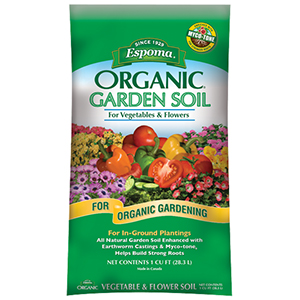
Organic Vegtable & Flower Garden Soil
No 80030129

Buy Now

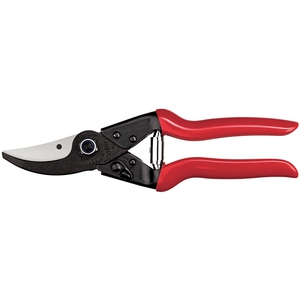
F-5 Economy Pruner
No 80260010

Buy Now

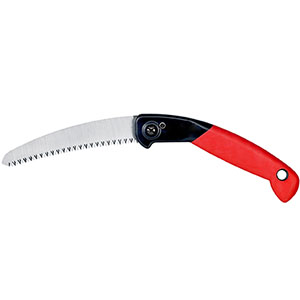
General Purpose Folding Saw
No 81380244

Buy Now

Pruning Sealer
No 80100013

Buy Now

Grafting Wax 1/4 lb
No 80470167

Buy Now

Grafting Wax 1 lb
No 80470169

Buy Now

Myke Tree & Shrub 1.4 qt
No 80310044

Buy Now

Myke Tree & Shrub 3.6 qt
No 80310045

Buy Now

Printable version


Thursday, December 28, 2017

Phosphorous-Free Recipes for Gardeners


Fertilizer is hardly a hot topic for winter, but stay with me: This month’s tip bodes well for pre-planning your spring store needs.

It’s been a few years since several U.S. states passed laws to reduce and eliminate phosphorous content in lawn fertilizers. The grassroots efforts by many of you in your stores to explain the new reasoning have actually spawned some interest among consumers wanting organic and phosphorous-free fertilizers for their plants and flowers, too.


Very few brand-name products are currently available to fulfill this request. However, you can offer a solution that I had used many years before.


Healthy Plants Are Happy Plants

As a former hobbyist and former consulting rosarian for the American Rose Society back in the 1980s, I learned quickly about the importance of good soil, sticking to a spray schedule to prevent diseases and adding plant nutrition regularly via organic fertilizers and supplements. Roses are heavy feeders during their growing season and need a steady diet of foods to maximize bloom production, basal breaks and re-bloom performance.
At the time, studies from both universities and independent trial gardens had shown the connection between the frequency of food uptake and overall plant health. A healthy and happy plant in the fall stands a much better chance of surviving the harshest winter, even in Northern climates, and re-emerging strong in spring. Plants that were installed correctly and fed modestly also showed improved disease resistance.

The Magic Tonic

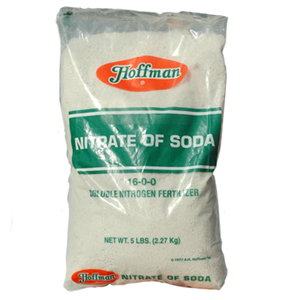
Back then just as today, no miracle tonic exists to make your plants and flowers grow to their best. With bone meal or super phosphorous being used only at the time of planting, I did what many gardeners chose to do: craft their own “special sauce” for monthly applications during the growing season. It was the balanced diet that made flowers larger, more colorful and longer-lasting in the garden. Some rose hobbyists also used a monthly application of nitrate of soda during the growing season to develop longer stems and promote leaf growth for competition-worthy roses.

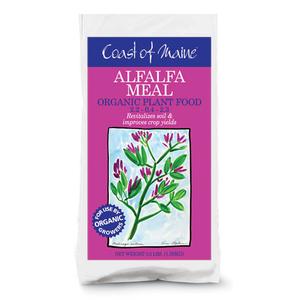
The base ingredient for any top dressing recipe included the addition of humus, well-rotted manure (or dehydrated cow manure), alfalfa meal, greensand, worm castings or compost, if available. The supplements included dried blood, kelp meal, fish meal and even bat guano. These products didn’t have a phosphorous analysis but were important for trace elements, minors and slow, continuous feeding. It had to be organic and natural. These items are still available today from manufacturers. In fact, Coast of Maine has recently added many new organic products suited for high-quality plant foods or supplements.    

The Recipe Card

Garden experts, good secondary signage and point-of-purchase (POP) materials are, unfortunately, a distant memory in most garden centers today. But where there’s a will, there’s a way: You can still offer product recommendations to maximize blooming power on your store signage. Consider it the “cliff notes” for gardening.

Nobody has the time or inclination to read labels anymore, to know what products can or can’t do. It’s 100 percent up to us to teach gardening/landscaping/groundskeeping newcomers and show them how to be successful. It might start with your own store’s plantings, but it certainly ends when your retail customer stares at 20-30 fertilizer selections on a gondola run and can’t even identify the plant they have in their cart that needs feeding!
 
Teamwork Sells Product

As I visit stores across the country, I often ask owners and department managers what’s important to them and their customers. Some of these associates are amazing specialists who love to garden themselves, but they may be challenged to pinpoint what makes them successful – which makes it even tougher to share those insights with customers.

If every team member in charge of their plant department would pick two or three fertilizer items that are must-haves for the success of their customers, and it was shared with every staff member including part-timers, you would certainly increase your sales AND customer success figures. In many cases, we’re only talking about 15-20 items, but this small exercise can make a huge impact.


This Month's Featured Products


Alfalfa Meal - 2.2-0.4-2.3
No 81600019

Buy Now

Blood Meal 12-0-0
No 80030180

Buy Now

7.5 lb Greensand
No 80030034

Buy Now

4 lb Bag Kelp Meal
No 80120005

Buy Now

4 lb Worm Castings
No 81350021

Buy Now

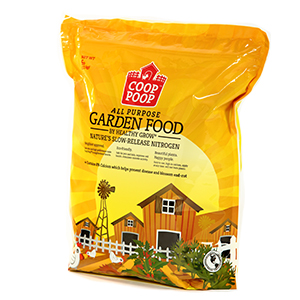
Coop Poop
No 81350006

Buy Now

Nitrate of Soda 16-0-0
No 80070079

Buy Now

Printable version