Wednesday, September 20, 2017

Through The Looking Glass


A unique facet of indoor gardening is trending upward, offering consumers a novel way to enjoy plants year-round. Terrariums are hardly a new concept, but they’ve received a thorough makeover with regard to retail appeal and suitable plant selections.

The terrarium has long been an indoor favorite since it was accidentally discovered by Nathanial Bagshaw Ward in 1842. He grew a fern from a spore enclosed in a glass case and was rewarded by having the vessel gain popularity as the “Wardian Case.” Today, of course, it’s known and sold as the terrarium.

The First Green Displays

My first experience of seeing a “living” display was in the Reptile House at the Philadelphia Zoo. Having the birthplace of America’s zoos (March 1859) nearby meant that it was a convenient day trip for elementary classes to see animals up close. What I didn’t realize was that I was seeing an ecosystem at work: Growing and sustaining plants indoors was a necessity in keeping zoo animals alive and well in long-term captivity.

These enclosed exhibits were actually large-scale terrariums. Zoo staff carefully plotted their use of natural (and artificial) lighting to ensure photosynthesis, ventilation for air movement, and suitable planting media to create these natural and living habitats.

Today’s Terrarium

Whether a consumer chooses a classic terrarium or not, many additional choices are available to create interesting and special indoor gardens. Consumers may choose from jars, bowls, glass urns, blown-glass spheres and many more designs. A true terrarium, however, is one that is enclosed, preferably with a lid that will allow venting.

Succulents have surged in popularity, known as foolproof, long-lasting plants with minimal maintenance requirements. Taking it a step further, consider the more than 650 types of air plants or Tillandsias that need no soil to thrive. These are fabulous candidates for today’s terrarium!

The rise of miniature gardening has increased interest and availability in ferns, which love enclosed terrariums. It’s easy to see the selling opportunities, even for those of you who don’t have a working greenhouse at your store location.

Build It, and They Will Buy

We’ve all heard the marketing mantra that “packaging sells,” correct? Just about everyone has pretty packaging these days. But, the success of your selling department will rely on providing planted examples showing different dimensions, plants and vessel types for the customer to buy or recreate. You’ll also need helpful staff or easy-to-follow print instructions to direct customers on which types of plants work well together: ferns and foliage, or succulents and cacti.

Plant choices will influence the customer’s watering needs and methods. Supply your display with low-volume watering cans with narrow spouts and misting sprayers. Distilled water (or filtered water that’s been allowed to stand overnight) may be recommended to minimize tap-water chemicals that can affect plant health.

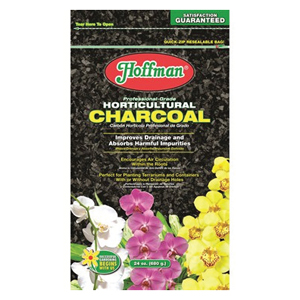
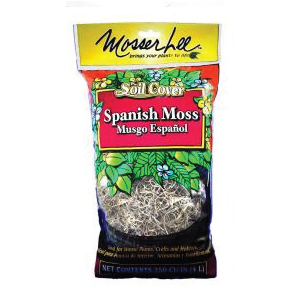
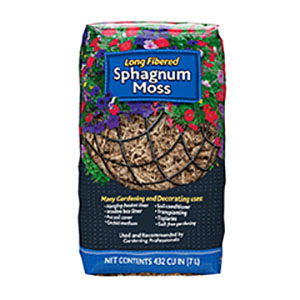
Include some additional materials like horticultural charcoal, small pebble stone, Spanish moss and sphagnum moss. The use of charcoal is important for removing toxins and odors that may accumulate inside the terrarium over time. Hoffman makes a wonderful horticultural-grade charcoal that’s very popular in the market.

Opening the terrarium occasionally allows moisture to evaporate and air to circulate around the plants. If a disease like powdery mildew occurs on plants inside a customer’s vessel, you’ll need to offer specific chemistry that’s labelled for indoor use and for these specific plants. One disease-control recommendation is the Complete Disease Control 32 oz. RTU from Monterey Chemical. It’s a bacillus formula that prevents and even cures most disease problems on a wide listing of plant species. You’ll also want to advise your customers to vent their terrariums for a longer time frame to slow down disease pressure.

Mother Earth

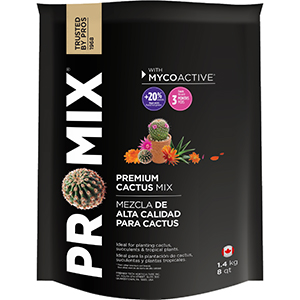
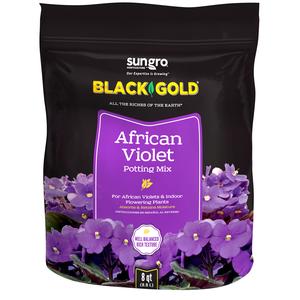
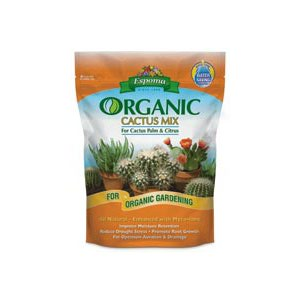
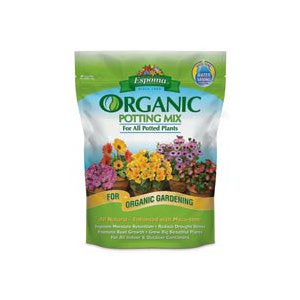
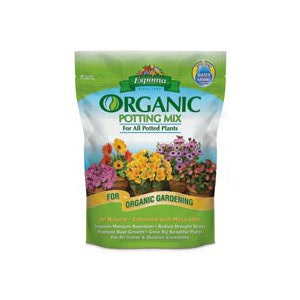
Finally, you will need to provide the right soil options for the specific plant materials being sold. Most retailers sell four-quart bagged materials that are labelled for cacti and succulents or typical professional potting soils recommended for indoors. There are many options to consider stocking, especially those from Premier Horticulture, Sun Gro, and Espoma.
Don’t recommend potting soils with added fertilizers, as you can always add nutrition, but can’t always take it off. Small plants in miniature vessels need minimal feedings, so consumers may only need to apply a food once every four to six weeks. Reduced-nitrogen fertilizers are best suited for indoor plants; Nature’s Source, Bonide and Schultz offer quality products in this category. 


This Month's Featured Products


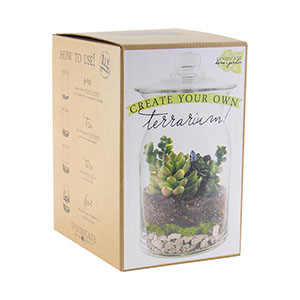
Syndicate DIY Terrarium Kit
No 81510047

Buy Now

Syndicate 6.75"x6" Cement Glass Terrarium
No 81510019

Buy Now

Premier Cactus Mix 8 Quart
No 80310035

Buy Now

Black Gold 8 Qt African Violet
No 80320002

Buy Now

Espoma 4 Qt Organic Cactus Mix
No 80030028

Buy Now

Espoma 4 Qt Organic Potting Mix
No 80030029

Buy Now

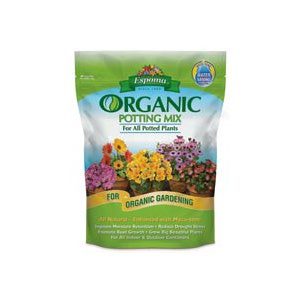
Espoma 8 Qt Organic Potting Mix
No 80030040

Buy Now

Espoma 16 Qt Organic Potting Mix
No 80030001

Buy Now

Hoffman 24 Oz Charcoal Soil Conditioner
No 80070035

Buy Now

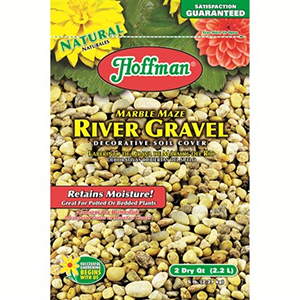
Hoffman 2 Qt Marble Maze River Gravel
No 80070089

Buy Now

Mosser 3 Oz 100 Cu In Spanish Moss
No 80130013

Buy Now

Mosser 250 Cu In Spanish Moss
No 80130011

Buy Now

Mosser 432 Cu In Long Fibered Sphagnum Moss
No 80130014

Buy Now


Wednesday, August 16, 2017

The Fall "Honey Do" List


As the end of summer is near, the proverbial task list for home improvement grows. Maintaining the outside of the home often takes a back seat while parents scurry to gear-up with the supplies and clothing their children need in preparation for back-to-school. 

Rest assured, though, that many homeowners have plans for more chores on the horizon! In anticipation for the immediate month(s) ahead, let’s get ready:


Repellents

Right now, the food source for any critter is available in quantity and variety. They may or may not have visited your customers’ gardens or home plantings, but soon these sources will be on the decline. Be sure you’re well stocked with repellents to help homeowners protect their investments.

The cooler temperatures signal to rodents in particular to seek warmer climates and make their move to interiors. Traps and some repellents head off this onslaught and make it easier to contain and control.

Deer controls are especially important as they’re also on the move and will explore neighborhoods to eat the available foods. With the removal of many flowers and vegetables from the garden, attention quickly turns to vegetative plant materials. Deer have no off-season, so you’ll want to recommend long-lasting products in granular or spray formulations to keep these hungry animals in check.


Insect Controls

The time spent outdoors is still a priority for many families, and it comes when hornet and wasps are very active during the daylight hours. Advise your customers to keep insect controls nearby, and begin observing where these nests are around the home. Eliminating these winter homes now helps to negate future problems around the home next year. Even in the fall months, it’s still a good practice to install wasp traps, so be sure to have these on-hand in an easy-to-spot location in your store.

Now is also an ideal time for homeowners to tend to plants that have endured major insect damage over the course of the spring and summer. Spider mites and scale are two of the most noticeable issues that can be detected. If a plant is unhealthy leading into the winter, it likely won’t survive or, worse yet, it’ll provide more issues when the pests spread.

You can encourage preventative maintenance like horticultural spray oil, which works on many different types of plant materials to control both the spider mites and scale insect problems. If severely damaged plants need to be “shovel pruned,” remove them and the mulching below. If replanting a new shrub, make sure your customers know to use fresh planting media and new mulch, and to view adjacent plants as suspects in harboring these nuisance insects. Adjacent plants should also be part of a homeowner’s maintenance plan.


Lawn Care and Repair

Consumers see in-the-know gardeners repairing worn-out lawns by thatching or using the core aeration method to improve lawn conditions. Reseeding is a favorite activity in the fall, but many new homeowners don’t understand what they truly need to be successful. 

Evaluate your specific region as to what you would recommend to customers with regard to grass seed varieties. These may either be a "blend", which is the same type of grass seed using different varieties or a "mixture" using different types of grass seed. Emphasize good seed-to-soil contact for best results. The favorable conditions of fall weather makes it the BEST time to establish a great lawn. 


This Month's Featured Products


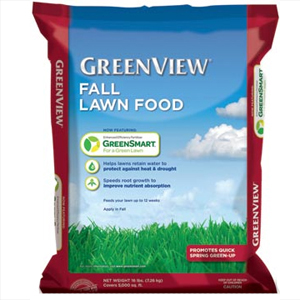
Lebanon Fall Lawn Food with Green Smart 5M Bag
No 80350021

Buy Now

Lebanon Fall Lawn Food with Green Smart 15M Bag
No 80350022

Buy Now

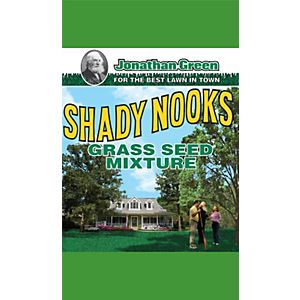
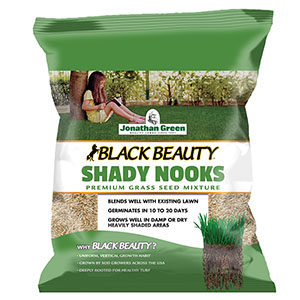
Jonathan Green Shady Nooks Grass Seed 1 lb Bag
No 81430044

Buy Now

Jonathan Green Shady Nooks Grass Seed 3 lb Bag
No 81430045

Buy Now

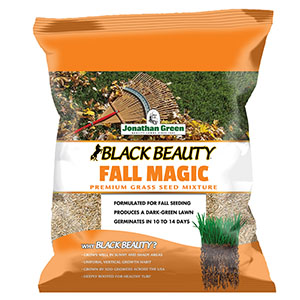
Jonathan Green Fall Magic Grass Seed 3 lb Bag
No 81430033

Buy Now

Jonathan Green Fall Magic Grass Seed 7 lb Bag
No 81430034

Buy Now

Jonathan Green Fall Magic Grass Seed 25 lb Bag
No 81430035

Buy Now

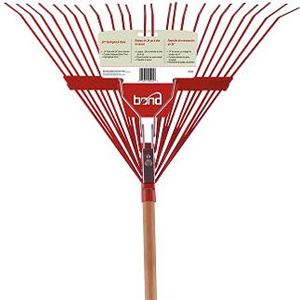
Bond 24" Steel Springback Rake
No 80340028

Buy Now

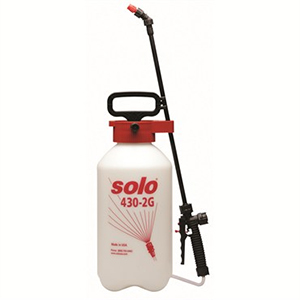
Solo 2 Gallon Tank Sprayer
No 81140005

Buy Now

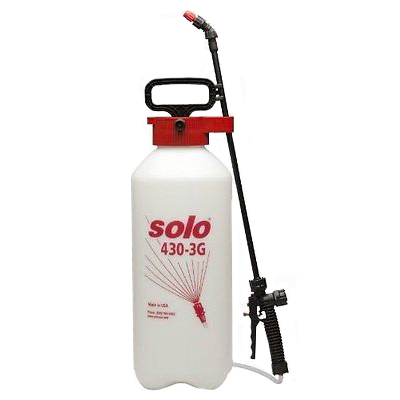
Solo 3 Gallon Tank Sprayer
No 81140006

Buy Now

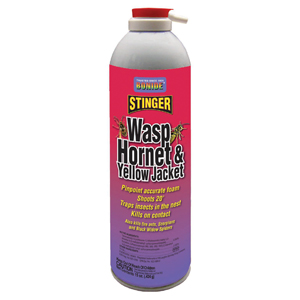
Bonide 15oz Wasp & Hornet Water Base Foam
No 80100128

Buy Now

Bonide Mouse Magic 4 pk
No 80100153

Buy Now

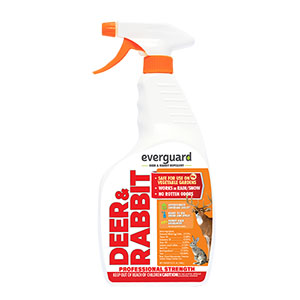
American Deer Proofing Deer & Rabbit Repellent 32 oz RTU
No 81030001

Buy Now

American Deer Proofing Deer & Rabbit Repellent 1 Gal RTU w/Sprayer
No 81030002

Buy Now

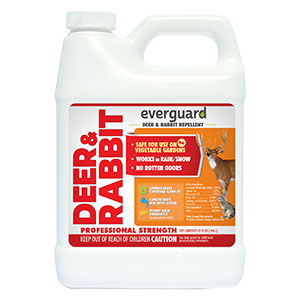
American Deer Proofing Deer & Rabbit Repellent 32 oz Concentrate
No 81030003

Buy Now

American Deer Proofing Deer & Rabbit Repellent Gal Concentrate
No 81030005

Buy Now


Tuesday, July 18, 2017

Learn Not to Burn


Weeds, excessive rainfall, disease, insects, drought and the long, hot days of summer are here. Their arrival this year was a collaborative effort starting in July. While in-store traffic may decline for planting, the intensity and frequency of customers with gardening issues increases almost hourly.

Solution selling is one of the most demanding services we provide for our customers. Today’s consumer has many more avenues of information at their fingertips by using smartphones and other mobile devices, but many still turn to the local professional just to be sure. If we solve issues successfully, we’re usually rewarded by selling a remedy on the spot or making a future sale with the client who, by the way, came to your store for help.

The Art of Conversation

Many store owners (and personnel) will admit that they’re constantly upgrading their product knowledge and training to keep up with the newest chemical technologies and product solutions. If you have a friendly personality, the type that gravitates toward the customer and not away from them, your chances of selling successfully and retaining that customer in the future goes up drastically.

Developing good interrogation practices helps to solve problems accurately and narrow the many choices at the shelf to ensure success. It takes a lot of practice (and courage) to ask simple questions, listen for symptoms and, in some instances, properly examine a sample of the problem. Listening and communicating current issues with staff and ownership helps to identify recurring problems and offer a consistent solution. This can’t be accomplished by ignoring customers even during the hottest of days.

The Answer at the Shelf

Today’s chemistry selections have changed to provide safe and effective ways to treat problems in the home and garden. Gone are the rows and rows of a product with the same ingredient, but in a different bottle label. These selections have been replaced by a more “globalized” effort that mimics a “one product fits all” strategy. Manufacturers have to pay huge sums of money to develop new chemistry and for every label produced, it costs more money. Granted, there are still specific chemicals that do the trick for specific problems, so you’ll need to identify and train accordingly. It takes time to master, and it’s worth sharing your knowledge with associates and customers alike.

Beat the Heat

Just as important as reading the label correctly and following instructions, is the need to stock and sell quality products that can be sold and used when temperatures soar. Many years ago, most chemical solutions had some type of oil-based ingredient that would literally cook a leaf’s surface after application. More issues were created because consumers wouldn’t read the label or apply common sense when using the product. We must offer options. Much of the changes in chemistry have come by the way of organics and water-based technology. Spraying isn’t the only option either; more products now offer a “drench” method for application. If you’re unsure of what you’re stocking, take a look at these labels and note the restrictions they may have in their label directions.

Whenever temperatures are taking a toll on plants, think about the cause and effect of spraying anything, including water, when the hot sun is out. Early morning or early evening are the best times to treat for disease or insects. If home gardeners can offer their plants a drink well in advance of a spray application, it may do wonders in making a solution work better. You may also recommend a garden dust for waterless treatments against insects and disease.

When All Else Fails

Several great mobile apps can offer assistance and make the process easier, too. Bonide makes one of the very best mobile problem solvers our industry has seen. If you don’t have this installed on your phone, I highly recommend you take the time to download and investigate. You won’t be disappointed.

Your local county agriculture service is also one of the best ways to inform you and your team of any local issues. They may also have an auto-generated e-mail service for special bulletins, problems and solutions specific to your region. Our GGSPro team relies on these alerts for updating our recommendations, too! Last but not least, look at the label of the product itself. Many manufacturers provide a toll-free number (and/or website) to contact them directly. Their customer service professionals are available to help you by phone quickly during your business hours. 

This Month's Featured Products


Solo 2gal Pressure Sprayer
No 81140005

Buy Now

Solo 3gal Pressure Sprayer
No 81140006

Buy Now

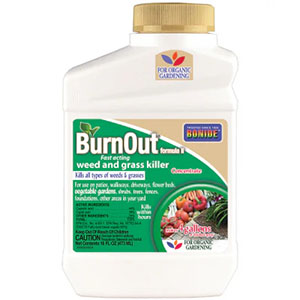
Bonide BurnOut Weed & Grass Killer Concentrate Quart
No 80100792

Buy Now

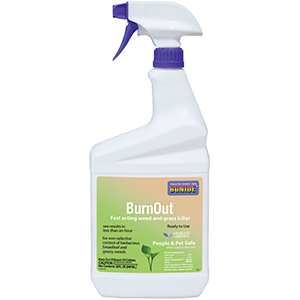
Bonide BurnOut Weed & Grass Killer RTU Quart
No 80100795

Buy Now

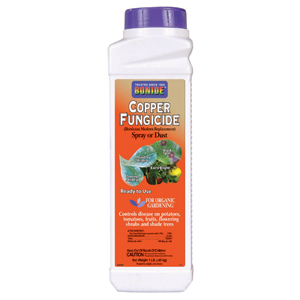
Bonide Copper Dust Bordo 1lb
No 80100034

Buy Now

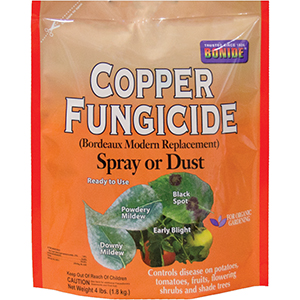
Bonide Copper Dust Bordo 4lb
No 80100611

Buy Now

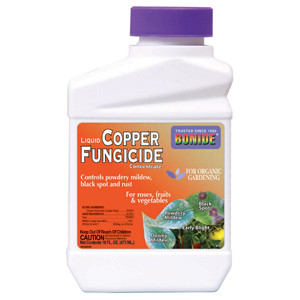
Bonide Liquid Copper Concentrate Pint
No 80100141

Buy Now

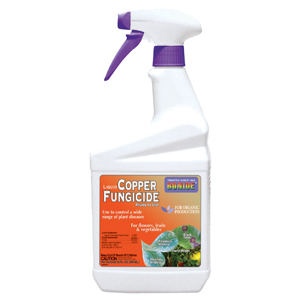
Bonide Copper Fungicide RTU Quart
No 80100139

Buy Now

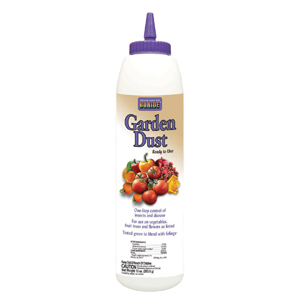
Bonide Garden Dust 10oz
No 80100145

Buy Now

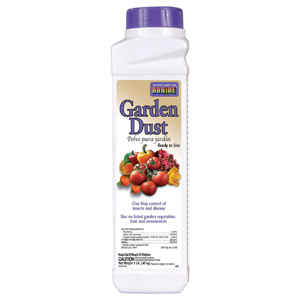
Bonide Garden Dust 1lb
No 80100146

Buy Now

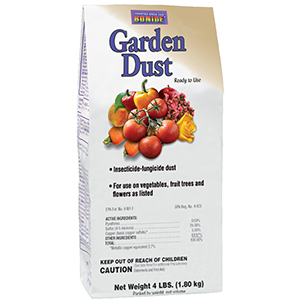
Bonide Garden Dust 4lb
No 80100644

Buy Now

Bonide Infuse Concentrate Pint
No 80100053

Buy Now

Bonide Diatomaceous Earth 5lb
No 80100711

Buy Now

Safer 32 Oz RTU Garden Fungicide Flower Fruit and Vegetable
No 80190005

Buy Now

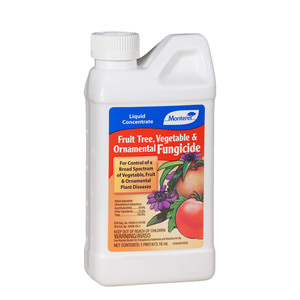
Monterey Fruit Tree and Vegetable Systemic Soil Drench
No 80820060

Buy Now