Tuesday, December 18, 2018

New Year, New Beginnings


Once the holidays have passed, turning the calendar page is exciting for garden centers – at least it should be! The anticipation of a new spring season fuels us with renewed energy to plan for our stores. How we execute those plans will determine whether we reach our goals down the road.
It’s natural to feel a bit weary at the end of the year. Winter’s gray skies, cold weather and stormy days can further dampen the soul. Spring is on the horizon, though, and January is the perfect time to build an exciting in-store foundation for your customers. Let’s consider the possibilities for early sales opportunities.

The New Norm
Have you noticed how much earlier national retailers begin to promote sales for an upcoming season? It seemed that kids were just heading back to school and the race was on to sell Christmas and holiday this year. Truth is, it’s getting earlier every year.

The internet and especially Amazon have changed the way consumers buy. There’s no prep time, no shift in operational manpower or waiting to complete the seasonal look to launch a selling season. It’s instantaneous: a few taps on the keyboard and they’re done. Consumers have noticed, too! They’ve adjusted their buying habits to start shopping further in advance.

Are we keeping up with earlier promotions? Setting the store a bit earlier each year? In many instances, I’d say yes. Much can be gained between November 1 and Thanksgiving Day, through excitement and anticipation of the next holiday season. While weather dictates the selling season of plants and outdoor activity, the calendar still rules the event timeline and what moves people to consider buying. Thus the new norm is being “retail ready” well in advance of the typical start of a selling season, especially spring.

What’s New?
Once upon a time, mail-order seed catalogs and the Jackson Perkins rose circular were readily available by January 1. Today, though, printed catalogs aren’t viable or profitable for many companies. Even Amazon’s Alexa isn’t able to answer my question when I ask what’s new in lawn and garden. Her reply is “I don’t know.”

Our industry is the best at communicating and selling lawn and garden products, plants and solutions. We continue to be the most reliable source for what’s best for our customers. It keeps them coming back for more! You are far more valuable than Alexa when it comes to garden knowledge. Your New Year’s resolutions might include how to promote your store, your staff and your brand even better in 2019. 

The Calendar of Events
Mark your calendar with key delivery dates of plant material to your store. Orchids, kalanchoes, African violets, succulents, small foliage and ferns, primrose, pansies, miniature roses, all of these need a formal announcement to arriving customers to your store. A simple easel and chalkboard can do the trick. Plan ahead and create “point of decision” signage for new plant varieties and new products, and be sure to educate your staff on these. Don’t forget to include your selling price! More than half of sales failures are attributed to lack of a visible sale price.

Your newest items often drive higher profit margins, so you’ll likely want to put promotional focus there. When consumers see or hear about a product first in your store, you stand a higher chance of capitalizing on this selling opportunity over another store. Keep in mind dates like St. Patrick’s Day (March 17) and Easter (April 21), so you’re highlighting the newest arrivals in your store well in advance of the first warm day of spring. Fair warning: It might be earlier than the calendar suggests!

Here are some new items from Griffin to consider:


This Month's Featured Products


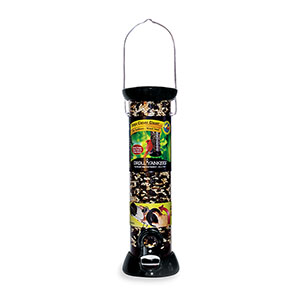
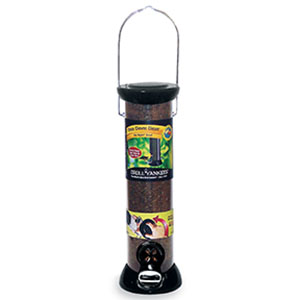
12 in Clever Clean Seed Feeder - Nyjer
No 81210241

Buy Now

12 in Clever Clean Seed Feeder - Sunflower
No 81210242

Buy Now

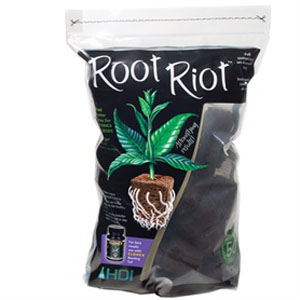
HDI Root Riot Bag of 50
No 81860090

Buy Now

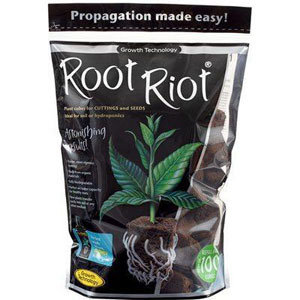
HDI Root Riot Bag of 100
No 81860089

Buy Now

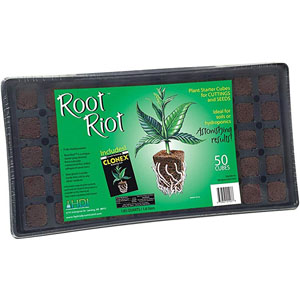
HDI Root Riot Tray of 50
No 81860091

Buy Now

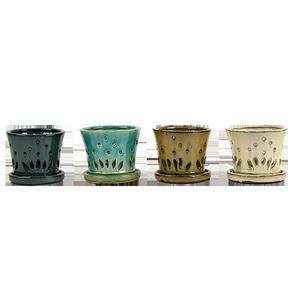
Arcadia Orchid Pot Round A 5" (4 Assorted Colors) w/Saucer
No 80690256

Buy Now

Arcadia Orchid Pot Square 5" w/Saucer 4 Assorted Colors
No 80690254

Buy Now

Arcadia Orchid Pot Hexagon 5" (4 assorted Colors) w/Saucer
No 80690252

Buy Now

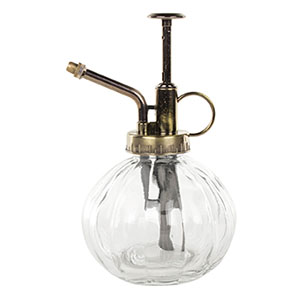
Syndicate Plant Mister - Clear
No 81510153

Buy Now

Syndicate Plant Mister - Sea Glass
No 81510155

Buy Now

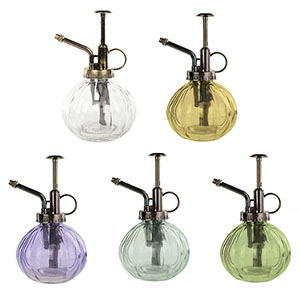
Syndicate Plant Mister - Assorted
No 81510285

Buy Now

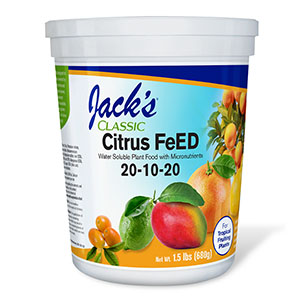
Jacks Classic 1.5 Lb 20-10-20 Citrus Food Fertilizer
No 80060019

Buy Now

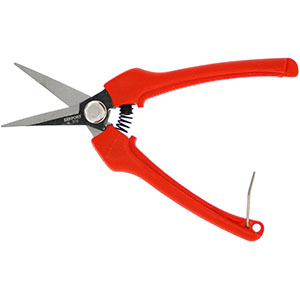
Zenport Straight Blade SS Euro-Style Harvest Shear
No 81930061

Buy Now


Printable version


Wednesday, November 21, 2018

Timberrrr! Tree-Pruning Tips for Late Fall


Timber can be a blessing or a curse, depending on the circumstances. With the last of the leaves falling to the ground, a small window of opportunity exists for tree pruning -- but we often don’t think about it until it’s too late. 


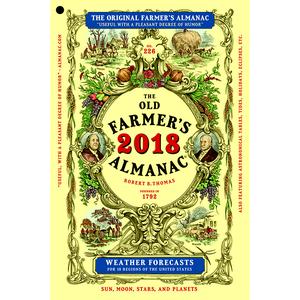
Many homeowners heavily prune their trees at improper times during the growing season. If you read through the Old Farmer’s Almanac, you’ll find suitable dates for suggested tree pruning. No kidding!


Late fall and early winter are ideal times to trim away branches and limbs that might be weak or diseased before they break from the season’s wind, ice and snow load. With leaves out of the way, damaged or diseased branches become more clearly visible. Since trees aren’t actively growing at this time, it’s safe to prune without causing harm.


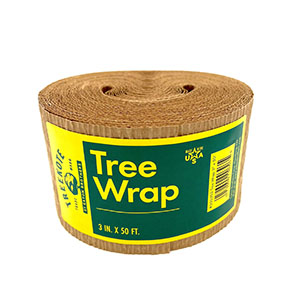
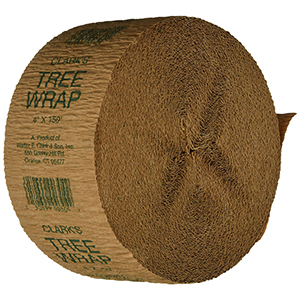
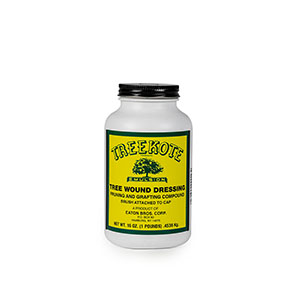
Make sure your shelves are stocked with a couple of products to protect fresh tree cuts. Pruning paint or pruning sealer spray, applied to fresh cuts, can help protect a tree against disease issues. Some gardeners prefer to wrap damaged trunk bark as another measure to prevent future sun scald or insect damage. In areas with abundant rabbits and deer, protecting the bark of young trees is as easy as installing a plastic tree trunk protector.


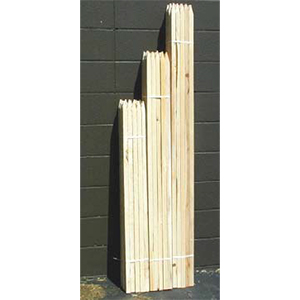
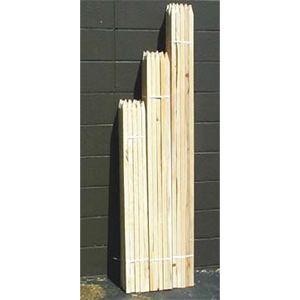
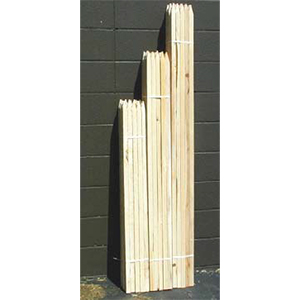
This is also a good time to check stakes and guidewires to ensure that newly planted trees are protected from harsh winter winds that may topple your evergreen or deciduous tree. Advise your customers to take time to inspect the wire or rope around their tree trunks. If it’s not secure or tight enough, it may girdle or cut into the bark causing severe damage when spring returns. Cut up pieces of garden hose, usually 6-10 inches in length, make great and inexpensive sleeves around the wire or rope to help protect against rubbing. 


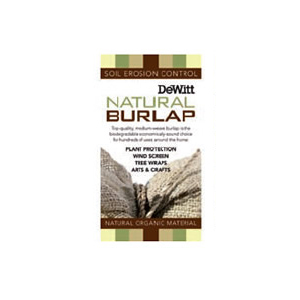
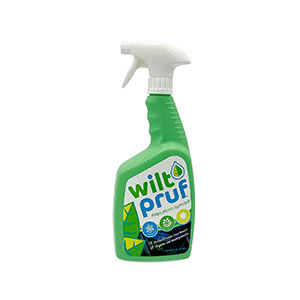
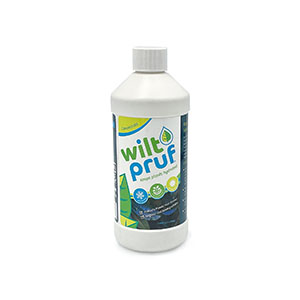
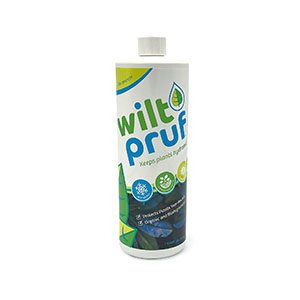
Specific tree species may have additional needs to tend prior to onset of winter. Tree roses, for example, are vulnerable to extreme winds and temperature swings. Many rosarians recommend installing four wooden stakes as a surround to attach a burlap wrap surrounding the plant after an application of Wilt Pruf. The Wilt Pruf is an anti-dessicant that prevents the plant canes and crown union from drying out.


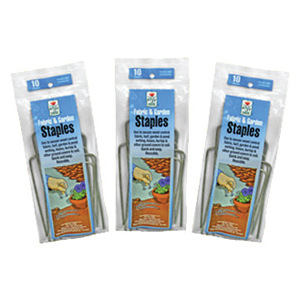
Another tree rose winter protection method is called “heeling.” If the tree rose is planted in the garden, you may choose to cut around the ball of the roots about half way around. Once this is performed, you may tilt and lay the entire tree rose stock on its side, and carefully secure it to the ground. Cover the plant with mulch or straw and place a burlap cover over the top of your entire plant. Use ground staples to keep the burlap in place from winter winds.


Last but not least, urge your customers to keep an active eye out for heavy snow or ice on their tree branches during the winter. Some trees, like the densely branched Japanese maple, are very susceptible to breaking under the weight of wet snow. This can be prevented by brushing away snow from the branches soon after a new snowfall. Don’t delay this important garden chore or you might hear your trees whisper in the winter night: snap, crackle, pop… and timber!


This Month's Featured Products


Old Farmer’s Almanac
No 80460001

Buy Now

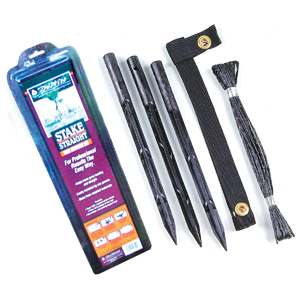
Wooden Tree Stake Kit
No 80010003

Buy Now

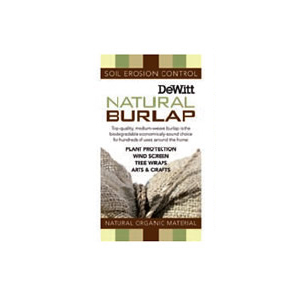
Natural Burlap
3 ft x 12 ft
No 80010004

Buy Now

Natural Burlap
3 ft x 24 ft
No 80010005

Buy Now

Coated Paper Tree Wrap
3 in x 50 ft
No 80470171

Buy Now

Coated Paper Tree Wrap
4 in x 150 ft
No 80470173

Buy Now

Treekote Tree Wound Dressing
No 80470158

Buy Now

Hardwood Garden
Stakes 4 ft
No 80970001

Buy Now

Hardwood Garden
Stakes 5 ft
No 80970002

Buy Now

Hardwood Garden
Stakes 6 ft
No 80970003

Buy Now

Fabric and Garden Staples
No 80180002

Buy Now

Anti Transpirant
32 oz RTU
No 80380001

Buy Now

Anti Transpirant
16 oz Concentrate
No 80380002

Buy Now

Anti Transpirant
32 oz Concentrate
No 80380003

Buy Now


Printable version


Monday, October 15, 2018

The Real Dirt: Composts & Manures


After a season of blooms and/or the bounty of nature’s harvest from the garden, many gardeners are now cleaning up debris and turning over soil to prepare for next season’s plantings. Breaking up compacted clumps and loosening decaying roots helps to add nutrients back into the soil. Fall is the best time to add composts and manures to rejuvenate nutrient-deficient or underperforming soil prior to winter. 

Reap What You Sow

This old adage bears the wisdom (and experience) of farming today. We’re familiar with the concept of crop rotation and its many benefits: maximize soil nutrients by turning over crop waste, systematically manage different crops in the same area to minimize soil-borne diseases and soil-dwelling insects, reduce soil erosion, and increase soil yield and fertility. Do your customers know, too?

For consumers with zero patience or those wanting a quick fertility solution, you’ll want to stock composts or manures that can be spaded or broadcast into the garden bed to fortify the soil over the winter months. 

Use signage or in-aisle staff to ensure your customers understand the value of adding soil supplements in the fall: The better the planting soil, the better the health and yield of your plants.

Choose Manures Wisely

For years, farmers have spread their share of fresh manures, allowing its decomposition to work wonders in the soil. Many homeowners, however, tend to turn their noses up at the fragrance.

Fresh manures will provide some hot temperatures and some weed seeds that need to be managed over time. While fall weather provides warm days and cool nights, it’s also favorable for weed seeds to germinate and sprout.

By adding manures to a compost pile of leaves and lawn clippings in the spring and summer, allowing it to work its magic over time via aeration and separation, a dark loamy soil is produced. Rich in nitrogen, trace elements, microorganisms and worm castings, this top dressing delivers impressive results in the garden. But, it takes time to create a well-rotted, nutrient-rich manure.

For the gardener who doesn’t have time or space to compost, bagged composted cow manure is a traditional go-to. This type of soil amendment is a moist, heavier manure that would clump right out of the bag. With a shovel or hoe in hand, a bit of elbow grease is needed to work it into the ground.

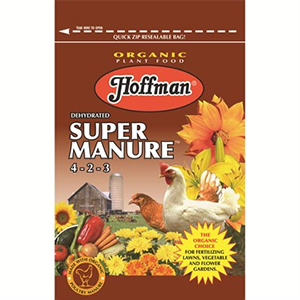
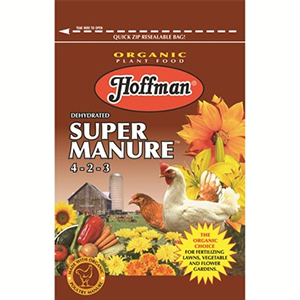
Dehydrated manures provide the benefits of composted without the smell or moisture content. In many cases, these products may be applied to the lawn or garden bed through a spreader. Hoffman’s Super Manure is one such dehydrated manure product that remains popular today. 

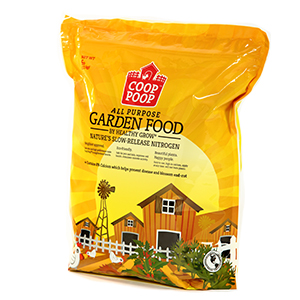
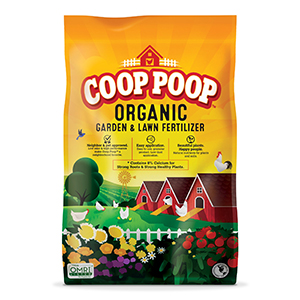
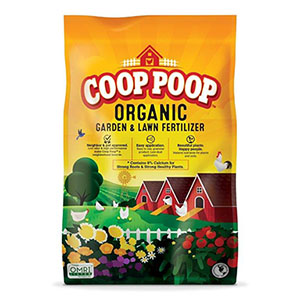
For a unique manure option, try Coop Poop. It’s an aerobically dehydrated chicken manure that’s all-natural and rich in humates. This slow-release, non-burning fertilizer enhances the soil and promotes root development and plant growth. Coop Poop is also OMRI-listed and widely used by organic gardeners.

Today’s Premium Composts

Our industry has developed some great products over the past decade or so for retail sales. Premium composts like leaf compost, mushroom compost and lobster compost have exploded onto the garden scene with great success. These products have superseded the traditional composts and are the unquestioned leaders of soil amendments today.

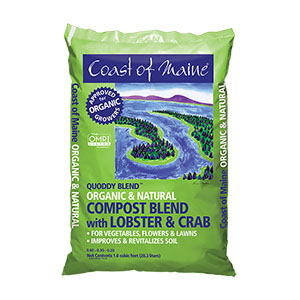
The Coast of Maine Quoddy Blend Lobster Compost comes from crushed and well-composted lobster shells. This product has the added benefit of naturally occurring calcium to combat blossom end rot on tomatoes. It’s a must-have product for vegetable gardens everywhere! The Quoddy Blend Lobster Compost is OMRI-listed with no municipal wastes and no bio-solids. This premium compost will revitalize your customers’ home gardens. 


If your customers’ plants looked like they “pooped” out during the summer heat, maybe they should consider putting some “poop” in (or compost) during the fall, so they can plant in some “real dirt” come spring.


This Month's Featured Products


Quoddy Blend Lobster Compost
No 81600001

Buy Now

Organic Dehydrated Super Manure (4-2-3) 5 lb.
No 80070063

Buy Now

Organic Dehydrated Super Manure (4-2-3) 20 lb.
No 80070064

Buy Now

Coop Poop 6 lb.
No 81350006

Buy Now

Coop Poop 25 lb.
No 81350004

Buy Now

Coop Poop 40 lb.
No 81350005

Buy Now

Hydrated Lime 5 lb.
No 80100044

Buy Now

Hydrated Lime 10 lb.
No 80100653

Buy Now


Printable version


Monday, September 17, 2018

Space Invaders


Fall is on our doorstep and it’s time to turn our “prevention attention” from outdoor to indoor. From the first chilly night of the season, warm-blooded animals begin thinking about hibernation and look for openings and opportunities to take up winter residence. Insects are seeking warmer climates as well, and likely will find the smallest of cracks and crevices to enter your home. Be assured, no home is insect-free. 

First Steps in Fighting Back

Advise your customers to closely survey the foundations of their homes to identify cracks and openings that insects or, if large enough, animals could gain entry. These should be sealed up before freezing weather sets in. Common insects include ants, crickets, grasshoppers, earwigs, sowbugs, centipedes, spiders, bees, fruit flies, termites, and stink bugs. Common animals include chipmunks, squirrels and birds.

Space between window frames and door frames can also be easily accessed. It’s an ideal time to install weather stripping. Observe the condition of your caulking around these frames, too. While weather is still warm, homeowners might caulk openings, especially when the ingredients are pliable and easily applied. Immediately inside the home, consumers should survey the ceilings, perimeter walls, and corners for spider webbing and promptly remove it. 

Remind your customers to vacuum carpets thoroughly to remove fleas and ticks that may have hitched a ride with their pets from outdoors. Fall is also a good time to replace flea collars and wash pet beds. Upholstery should be moved and inspected, as these areas are a perfect sanctuary for overwintering insects. 

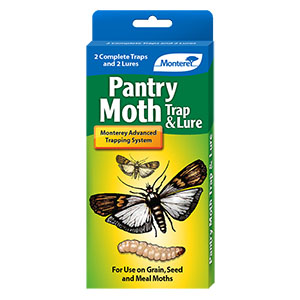
Pantry areas are often overlooked in spotting insect issues. Consumers should make time to remove outdated products including flours, grains and even seeds. This includes birdseed! Stocking birdseed inside for long periods of time may offer the perfect opportunity for grain weevils to hatch and emerge as tiny flying moths. Since chemistry is not sprayed in areas of foodstuffs, options like the Pantry Pest Trap are highly recommended for indoor use. Encourage your customers to also give pantry shelves and floors a good wipe down using a suitable household cleaner labeled for use in cabinets and around foods.

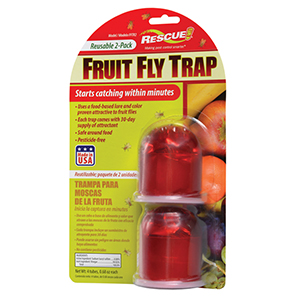
With the last of the harvest brought indoors, the occurrence of fruit fly is commonplace in homes. While remedies found on Pinterest can be questionable in their effectiveness, an indoor trap from Rescue is a safe and reliable option.

Choosing Your Chemicals for Home Use

When selecting a chemical to treat any insect problem, consumers must review the product label to ensure it’s suitable for WHERE the product will be used. Some chemistry is only to be used OUTDOORS. Other products are available for indoor use and indoor/outdoor (perimeter) use. When applied as directed, these are safe to use around pets and children. Consider stocking several options to meet varying customer needs.

Remind your customers to read the directions carefully. Most all directions clearly state that once you spray, you must make sure the solution is completely dry before allowing pets or children to reenter the area.

You’ll also notice that precautionary declarations on the label will vary based on the type of chemical. Such messages are boldly stamped Caution, Warning or Danger. It’s rare to see anything available for indoor use besides a Caution label. Your choices for types of delivery vary from aerosols to the popular ready-to-spray chemicals. 

Long-Term Control

Perimeter sprays are popular among consumers for home insect control. Such products are usually applied upwards along the foundation wall up to three feet from the ground. Spraying under door jambs, around outdoor window frames, and even patio and under garage doors will help prevent insects from entering your home. These long-term products last anywhere from three months to up to a year.

When a customer needs further clarification on their chemical application, make sure they know where to go for help. Most products include a toll-free phone number on the product label, which consumers can use to contact the manufacturer directly. There may be another phone number for medical assistance.

Whether you’re advising a homeowner customer or a store employee, the importance of personal protection can’t be overstated. Use common sense, of course, and don’t eat, drink or chew gum when applying chemicals. Cover exposed skin thoroughly and protect eyes from spray and drift. After an application is made, wash hands with soap and water, paper towel dry and dispose of materials properly as stated on the product bottle. Your key to success is knowing that the manufacturer makes these products safe when used as directed on the product label. Follow directions all the time, every time.


This Month's Featured Products


Pantry Moth Trap & Lure
No 80820172

Buy Now

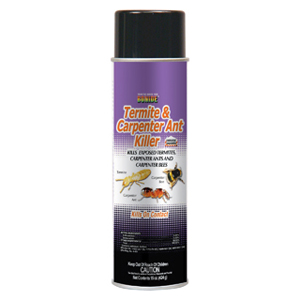
Termite & Carpenter Ant Control
No 80100025

Buy Now

Fruit Fly Trap
No 80220051

Buy Now

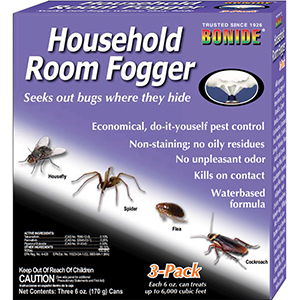
Household Room Fogger
No 80100031

Buy Now

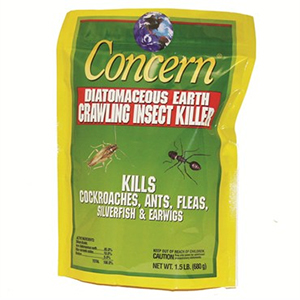
Diatomaceous Earth Crawling Insect Killer 1.5lb
No 80190011

Buy Now

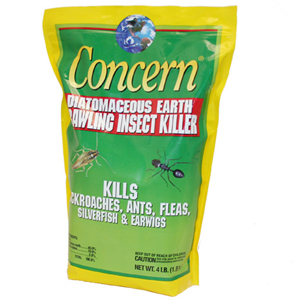
Diatomaceous Earth Crawling Insect Killer 4lb
No 80190012

Buy Now

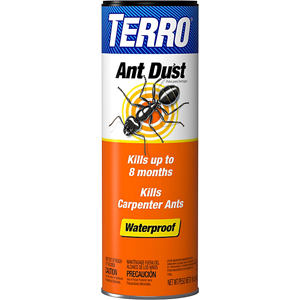
Ant Dust
No 80190019

Buy Now


Printable version