Monday, January 15, 2018

The Curse – and Opportunity – of the Uncommon Cold


Every so often, a new weather record is broken in your state. Whether it’s rainfall, snowfall, drought or – as we’ve seen this month – frigid temperatures, it’s going to happen. As I write this tip, I see a half-inch of ice layering everything in sight around my home in New Jersey. It reminds me of a winter long ago that was so cold, the Delaware River froze and you could walk from Camden, N.J., to Philadelphia, Penn.! Might this year be a record breaker? Read on to prepare for the challenges and the opportunities that may lie 
ahead in spring 2018.


From Bone-Chilling to Silver Lining
Extreme temperature swings can cause major damage to plants and shrubs, especially those planted in regions where consumers cheated the hardiness zones. Only time will tell whether plants will respond to warming temps this time around.

Winterkill from the record-setting arctic blast of January 1985 eliminated nearly an entire collection of roses at Hershey Gardens in Pennsylvania. With sustained temperatures dipping into negative numbers throughout the eastern United States, we saw the impact of losing well-established plants everywhere.

In contrast, 1985 turned into a good year for nursery sales, as consumers shopped for replacement plant material. Maybe this year’s bitter cold will yield another opportunity for sales and profits when spring arrives.

From Slumber Party to Garden Party

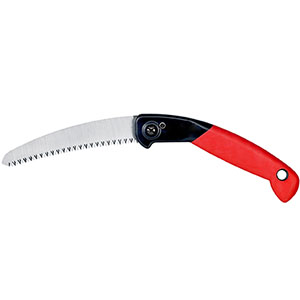
Pruning is among the many routine tasks of springtime. However, it’s more than a simple chore; pruning is an art! Most consumers are unaware of its necessity and its benefits, which presents you with an opportunity to educate. By eliminating deadwood and branches, the growth of the plant is replenished by pushing new basal breaks from the crown of perennials and roses. New buds will emerge from branches and canes, and the strength and energy of the plant is concentrated into a smaller area.

Two types of pruning methods pertain to plants, especially roses. First, is a reduction in size by cutting the canes to the desired height while eliminating crossing canes. These canes are cut about a ¼ inch above an outward facing bud eye. The second part of the process is to eliminate dead wood or blackened canes. After winters like this one, consumers may need to prune these canes right down to the rose crown or bud union, where the canes start.

In situations where extreme pruning is needed, plants may take a while longer to produce roses this season. Encourage your customers to be patient: They’ll be rewarded with an eventual flush of new blooms sometime between Mother’s Day and Flag Day, depending on the variety.

An Ounce of Protection, a Pound of Prevention

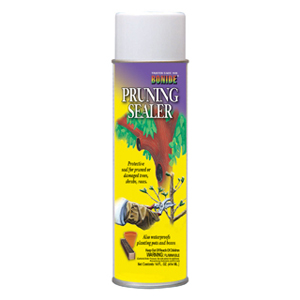
Any cut into the pith of a branch or cane can become a new entryway for insect borers or disease. It’s wise to seal these cuts using a suitable pruning sealer. However, I would caution against using a pruning sealer on rose canes. Many contain petroleum distillates, which may damage soft and sensitive tissue. Instead, advise your customers to use Elmer’s Glue, nail polish or orange shellac on these tips.

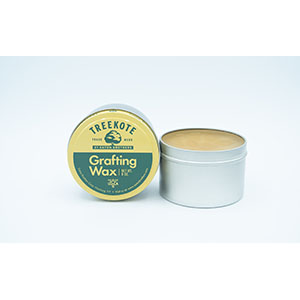
Remind consumers to examine trees for similar damage, such as branches that have slightly broken away from their trunks from the weight of ice and snow. This is especially a concern with Japanese maple varieties. If a compromised branch fully leafs out, it may produce enough weight to splinter away from the trunk. Clark’s Grafting Wax and binding tape may help salvage the branch; be sure to have these products on your shelves as spring arrives.

The Day the Earth Moved

Frost heaving is a common occurrence during the extreme temperature swings of winter. Water and moisture can expand during winter months and, in some examples, sever roots around trees and plants. No worries! It only takes a springtime feeding of organics or the addition of a root stimulant or mycorrhizae to produce new feeder roots to sustain the plant. To speed the process along, ask your customers to consider the addition of a soil amendment or top dress of mulch to increase moisture availability.

For now, we can only watch and wait for the first signs of spring arrive in our gardens. Only then will we know what damages have occurred and what our tasks will be. Until then, we can prepare for the possibilities.

If all else fails, and some plants will fail, then another type of pruning will be required: Shovel pruning.
 

This Month's Featured Products


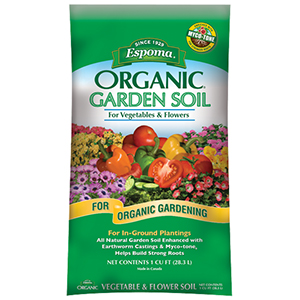
Organic Vegtable & Flower Garden Soil
No 80030129

Buy Now

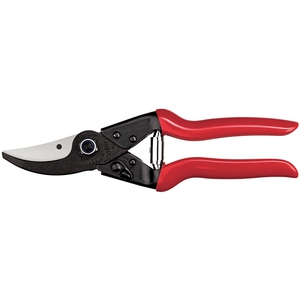
F-5 Economy Pruner
No 80260010

Buy Now

General Purpose Folding Saw
No 81380244

Buy Now

Pruning Sealer
No 80100013

Buy Now

Grafting Wax 1/4 lb
No 80470167

Buy Now

Grafting Wax 1 lb
No 80470169

Buy Now

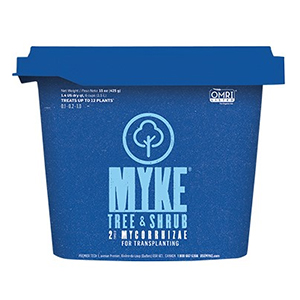
Myke Tree & Shrub 1.4 qt
No 80310044

Buy Now

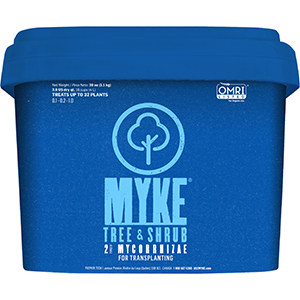
Myke Tree & Shrub 3.6 qt
No 80310045

Buy Now

Printable version


Thursday, December 28, 2017

Phosphorous-Free Recipes for Gardeners


Fertilizer is hardly a hot topic for winter, but stay with me: This month’s tip bodes well for pre-planning your spring store needs.

It’s been a few years since several U.S. states passed laws to reduce and eliminate phosphorous content in lawn fertilizers. The grassroots efforts by many of you in your stores to explain the new reasoning have actually spawned some interest among consumers wanting organic and phosphorous-free fertilizers for their plants and flowers, too.


Very few brand-name products are currently available to fulfill this request. However, you can offer a solution that I had used many years before.


Healthy Plants Are Happy Plants

As a former hobbyist and former consulting rosarian for the American Rose Society back in the 1980s, I learned quickly about the importance of good soil, sticking to a spray schedule to prevent diseases and adding plant nutrition regularly via organic fertilizers and supplements. Roses are heavy feeders during their growing season and need a steady diet of foods to maximize bloom production, basal breaks and re-bloom performance.
At the time, studies from both universities and independent trial gardens had shown the connection between the frequency of food uptake and overall plant health. A healthy and happy plant in the fall stands a much better chance of surviving the harshest winter, even in Northern climates, and re-emerging strong in spring. Plants that were installed correctly and fed modestly also showed improved disease resistance.

The Magic Tonic

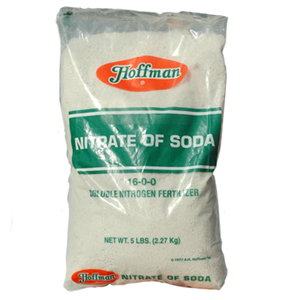
Back then just as today, no miracle tonic exists to make your plants and flowers grow to their best. With bone meal or super phosphorous being used only at the time of planting, I did what many gardeners chose to do: craft their own “special sauce” for monthly applications during the growing season. It was the balanced diet that made flowers larger, more colorful and longer-lasting in the garden. Some rose hobbyists also used a monthly application of nitrate of soda during the growing season to develop longer stems and promote leaf growth for competition-worthy roses.

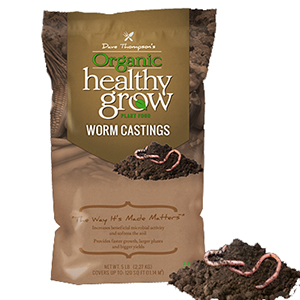
The base ingredient for any top dressing recipe included the addition of humus, well-rotted manure (or dehydrated cow manure), alfalfa meal, greensand, worm castings or compost, if available. The supplements included dried blood, kelp meal, fish meal and even bat guano. These products didn’t have a phosphorous analysis but were important for trace elements, minors and slow, continuous feeding. It had to be organic and natural. These items are still available today from manufacturers. In fact, Coast of Maine has recently added many new organic products suited for high-quality plant foods or supplements.    

The Recipe Card

Garden experts, good secondary signage and point-of-purchase (POP) materials are, unfortunately, a distant memory in most garden centers today. But where there’s a will, there’s a way: You can still offer product recommendations to maximize blooming power on your store signage. Consider it the “cliff notes” for gardening.

Nobody has the time or inclination to read labels anymore, to know what products can or can’t do. It’s 100 percent up to us to teach gardening/landscaping/groundskeeping newcomers and show them how to be successful. It might start with your own store’s plantings, but it certainly ends when your retail customer stares at 20-30 fertilizer selections on a gondola run and can’t even identify the plant they have in their cart that needs feeding!
 
Teamwork Sells Product

As I visit stores across the country, I often ask owners and department managers what’s important to them and their customers. Some of these associates are amazing specialists who love to garden themselves, but they may be challenged to pinpoint what makes them successful – which makes it even tougher to share those insights with customers.

If every team member in charge of their plant department would pick two or three fertilizer items that are must-haves for the success of their customers, and it was shared with every staff member including part-timers, you would certainly increase your sales AND customer success figures. In many cases, we’re only talking about 15-20 items, but this small exercise can make a huge impact.


This Month's Featured Products


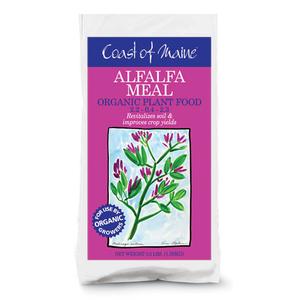
Alfalfa Meal - 2.2-0.4-2.3
No 81600019

Buy Now

Blood Meal 12-0-0
No 80030180

Buy Now

7.5 lb Greensand
No 80030034

Buy Now

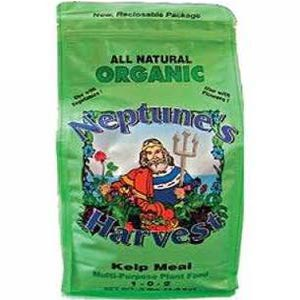
4 lb Bag Kelp Meal
No 80120005

Buy Now

4 lb Worm Castings
No 81350021

Buy Now

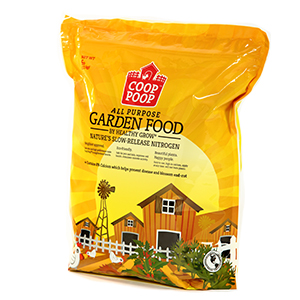
Coop Poop
No 81350006

Buy Now

Nitrate of Soda 16-0-0
No 80070079

Buy Now

Printable version


Tuesday, November 21, 2017

Wise Choices for Indoor Remedies


As winter weather ramps up and outdoor flowers hit their natural decline in many regions, many consumers will look to bring plants or foliage indoors and try to sustain their growth. Indoor color can be a challenge, though Christmas cacti, African violets, orchids and miniature roses are several common and reliable options.

Unfortunately, even indoor plants can face trouble from pests and diseases. This month, we’ve got some tips for you to consider as you plan your product mix for indoor-plant remedies, and as you guide your customers in choosing the right solutions for their plants.


Solutions for The Great Indoors

One of the most ignored declarations on chemical product labels is whether or not the product is listed for indoor use. The majority of chemicals found in stores are for outdoor use only. The outdoor-only restriction may be rooted in one or more causes: The active ingredient(s) may be especially toxic to pets or children, may be a severe eye or skin irritant, or may give off pungent fumes that will linger long after the application is made.
Thankfully, multiple manufacturers and brands offer excellent products and solutions for indoor plants. The Safer brand from Woodstream includes several products with active ingredients that are well-known for being safe and effective for indoor use when applied as directed. The most popular product in the Safer line is their insecticidal soap for indoor insect control.

Be sure to clearly differentiate between indoor and outdoor products in your chemistry aisle. Remind customers to read product labels carefully, making sure the product is also applicable for the plant that they’re treating. Some plants are sensitive to certain chemistry as well: You may not only kill the pest, but the entire plant! These declarations are always listed on the label.

Remember: Chemical products are formulated to get the job done while using the least amount of active ingredient necessary. As a rule, encourage your customers to always follow label directions. It can’t be overstated. If their desired use is listed on the label, a consumer is able to use or treat as directed. Never make a recommendation for an application or use that’s not listed on the label. If you or your customer have further questions, many manufacturers offer product support via phone or website, both of which are usually listed on the label.

Fast and Furious Win the Race

When faced with pest or disease issue, many homeowners hesitate. They may be unsure of what the problem is and/or unsure of how to treat it. However, as you know, time is of the essence in these situations. Some plant problems, if left unchecked for too long, can quickly lead a plant down the path of no return! This is especially true when red spider mite, scale or even powdery mildew is first observed. 

Some pest and disease issues can be enabled by where the plant is located within the home. Spider mites are a perfect example: These insects thrive in the dry, warm climates that are common in winter. Engage your customers in conversation to learn more about their plant symptoms, and listen carefully for contextual clues. In the case of spider mites, increasing humidity levels and positioning plants away from heater vents may provide quick and easy relief.

Over the course of your discussion, determine if the issue may be a conditional threat to other plants nearby. If so, you may need to advise your customer to examine all surrounding plants for similar symptoms. They’ll want to quarantine infected or infested plants to a remote area temporarily until the issue(s) are under control.

Spider mites are among the toughest insects to treat indoors. Old-time remedies like Kelthane or Vendex (which were true miticides) have been replaced by various compounds of lightweight spray oils in ready-to-use bottles, which coat and suffocate the spider mites along with their eggs. Being contact sprays, they need to “hit” the target to be effective. Many times, plants will need a follow-up application to contain and control mite populations.
For customers who seek an all-natural solution for spider mites, another technique is to cover soil and pot with plastic and remove to a sink or tub. Spray the undersides of leaves with a direct stream of water from a spray nozzle and then spray over the top. Once the plant is reasonably dry, return it to its original location after it’s been wiped down and vacuumed to remove debris, insects and dead leaves.

An Ounce of Prevention

Healthy plants are low-maintenance plants. Even with a natural slowing of plant growth during the winter months, plants continue to need water and nutrition, albeit in smaller amounts. Remind your customers to maintain a watering and feeding schedule throughout the winter, as it’s a first line of defense against many of the most common plant ailments.
Speaking of nutrition, more is not better when it comes to fertilizing plants indoors. Many gardening experts recommend low-dose volumes of nutrients, spaced a month or two apart in feedings. Suitable plant foods can come in several different forms including plant spikes, time-release fertilizers and water soluble-fertilizers that are mixed and applied using a watering can or spray-mister bottle. Depending on your store’s capacity, you may choose to stock a broad range of products or just a few.

December is the month when poinsettias find their way into people’s homes. They may also contain insect issues that aren’t noticeable right away. Encourage your customers to carefully inspect leaf surfaces, both tops and undersides, for insects including webbing near leaf stems. After the holidays, if in doubt, throw it out.

Teach your customers to get into the habit of watering with clean tap water that’s been allowed to stand in an open container overnight. This practice brings the water up to room temperature and allows any inherent chemical gases like chlorine to evaporate. Distilled water is another option consumers may consider. 

The holidays are always a busy time in caring for family and friends. Consumers would be wise to make time for weekly rounds to tend to their indoor plants, too. The reward is some green or color inside while it’s dull and gray outside.

This Month's Featured Products


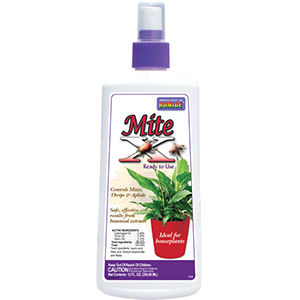
Mite-X
No 80100005

Buy Now

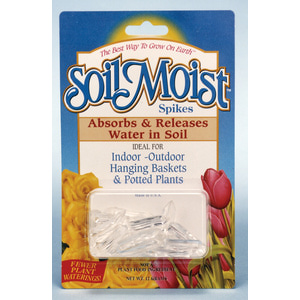
JRM Soil Moist Spikes
No 80040008

Buy Now

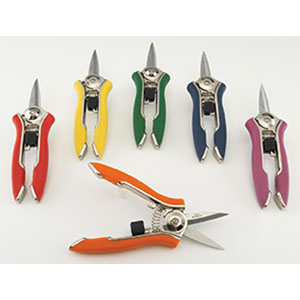
Dramm Compact Shear Assorted
No 80170062

Buy Now

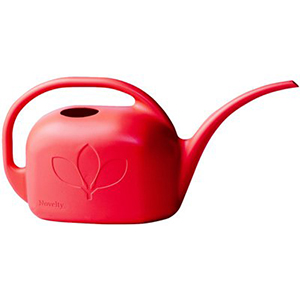
Novelty 1 Gallon Watering Can Red
No 80250622

Buy Now

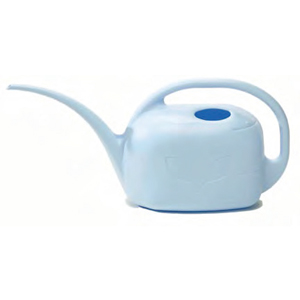
Novelty Gallon Watering Can Sky Blue
No 80250115

Buy Now

Flexon 5/8" x 25' Coil Hose
No 80560075

Buy Now

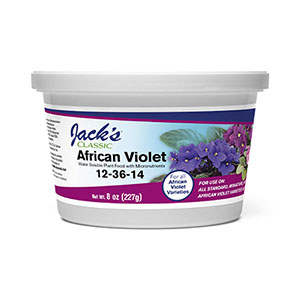
Jacks Classic 8oz 12-36-14 African Violet Special Fertilizer
No 80060001

Buy Now

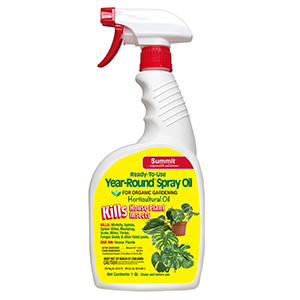
Summit Year Round Spray Oil For Houseplant Insects RTU Quart
No 80530023

Buy Now


Wednesday, October 18, 2017

Five Tips to Bring More Buzz to Your Store


We live in a fast-paced world where innovation happens daily. In many cases, these improvements come in the form of time-savers – products that enable us to finish faster and/or do more. Being a gardener myself for more than 40 years, I’ve seen great changes to help us solve lawn and garden problems safely, quickly and effectively. With today’s buzzwords in mind, let’s look at some product innovations that could pique consumer interest and drive sales in your stores:

Easy-to-Use

This is among the most common terms you’ll see in our industry. Gardening has long been associated with hard, difficult and time-consuming work. Ready-to-use (RTU) sprayer bottles or ready-to-spray (RTS) hose-end products dominate sales in the chemical aisle. Thirty-five years ago, Ortho was the leading label in this category; concentrates accounted for more than 80% of consumer sales. Sprayers and mixing chemicals were the norm for any gardener until innovation brought us more RTU and RTS options.

Today, the numbers have flipped with less concentrates (and spray tanks) being purchased. New technology offers battery-powered sprayers, one-pull sprayers and even more choices for hose-end sprayer chemistry. It’s never been easier to use garden chemicals safely and effectively.

Look at the ratio of concentrates to RTU (and RTS) in your product mix to ensure the desired options needed for your customers. (Big rural property: big bottle or concentrate with applicable sprayer. Small urban property: small-bottle concentrate, RTS, or RTU type.)

Advanced Packaging

Packaging represents one of the most obvious areas of innovation, especially advances in packaging materials. Take a close look at what you buy from your manufacturers. Mylar replaced soft plastics years ago and many items like grass seed, potting soil and fertilizers use this material, along with convenient resealable tops. Even wild bird seed manufacturers have embraced heavier, more durable bags to prevent chewing insects or ingredients from breaking through.

UV protection comes in many forms, including fade-resistant inks and coatings. Labels used by many manufacturers today are constructed of vinyl to resist deterioration from bright sunlight and humidity. Crystal-clear acrylics are another example: You’ll see them in products like wild bird feeder tubes, which won’t cloud up over time.
Once upon a time, garden products sold-through so quickly, we didn’t concern ourselves with lasting carryover of inventory. Times have changed drastically with the advent of box stores.

Designed for Women

Women are the target market for most manufacturers of lawn and garden products. This focus manifests as a combination of great packaging with bright and colorful graphics – often featuring kids and pets in the background. If you have older and outdated packaging in your store, you might just be chasing away potential buyers! As for the products themselves, comfort-driven and compact designs, and lightweight materials are common.

Even though we sell a lot of dirt, be mindful that today’s consumer is conscious of dirty environments. Take care to maintain the cleanest, tidiest selling areas possible at the shelf and on the floor. Women are our best customers!

Instant Results

Gone are the nuclear remedies in our chemical arsenal like DDT, Diazinon, Dursban, Kelthane, methoxychlor, Lindane, Benomyl and Vendex. They’ve been replaced by pyrethrins, Permethrin, neem oil, mint oil and various bacillus compounds for insect and disease control – active ingredients perceived as softer and/or more natural. The organics and all-naturals craze shows no signs of slowing.

If you’ve been putting off a review of your chemistry options, make it a point to evaluate your inventory yearly to make adjustments. Plan ahead now for next year’s shelf space by selling discontinued or newly restricted product offerings in order to make way for newer chemistry.

New and Improved

It seems overly simple, but it’s true: “New” and “improved” are still very effective in stirring interest and excitement among consumers. Have you considered how you’ll present your newest products to your customers for the remainder of this year and into the next?

These products should be featured on endcaps or standalone flex tables, or even by cross-selling with your plants at the point of decision. All that’s needed is your sign or placard stating one simple word, “new.” Just that little bit of awareness can bring you greater sales and profits.

This Month's Featured Products


Espoma Organic Potting Mix
No 80030001

Buy Now

Premier Cactus Mix
No 80310035

Buy Now

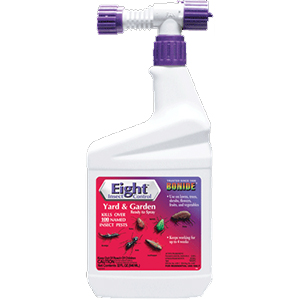
Bonide Quart Eight Yard & Garden Insect Spray
No 80100167

Buy Now

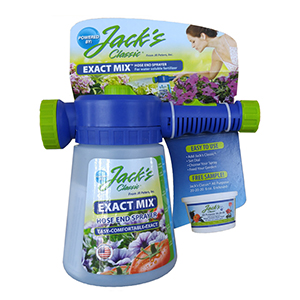
Jacks EXACT MIX Hose End Sprayer
No 80060044

Buy Now

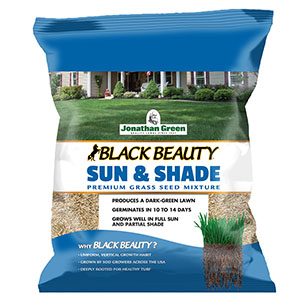
Jonathan Green Sun & Shade Grass Seed
No 81430048

Buy Now

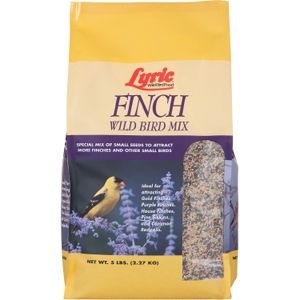
Lebanon Lyric Finch (Yellow)
No 80350151

Buy Now

Wonder Grip Nicely Nimble Assorted Colors
No 80090271

Buy Now

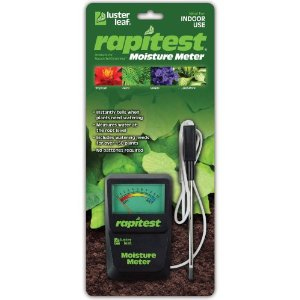
Luster Leaf Moisture Meter
No 80140007

Buy Now

Corona Floral Scissors
No 81380193

Buy Now