Tuesday, February 25, 2020

Under Pressure


There are very few items sold in the garden center that we go to the effort of researching into product specifications, quality, and warranty/guarantee. Consumers are attracted to unique design elements and certainly packaging and color, but are they looking beyond these? Here are specific products that are sold in the garden center that should receive consideration from owner/buyers to satisfy a growing trend in meeting a higher expectation from the purchaser on performance needs.

Bend Me, Shape Me…and Please Don’t Break

One of the more commonly sold products in our garden centers is the garden hose. It provides a way to take water from the spigot to the source or task. There are many chores from watering lawns, filling pools, washing cars, draining objects, and extending run off. Did you know that there are different types of garden hoses with a wide range of performance, sizes, and composition? The quality of the hose is usually measured by light duty, medium duty, and heavy-duty types along with a varied range of burst strengths, and temperatures. Most common garden hose failures are due to using a non-specific hose that is not intended for any and all uses under any weather condition. Attraction to only a cheaply priced hose can lead to a replacement sooner than expected by your customer. Stock and sell the best suited garden hoses (and its warranty) for your customer base and their needs. 

Beauty Beyond Skin Depth

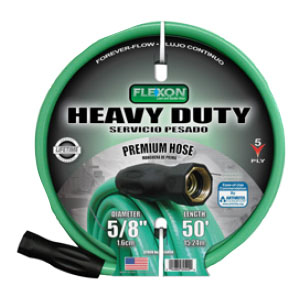
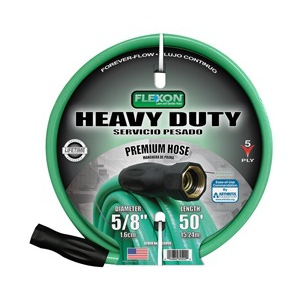
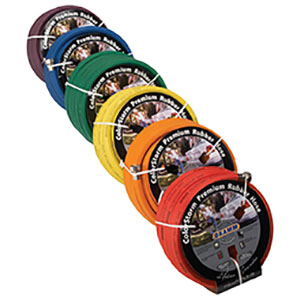
Garden hoses are made from reinforced vinyl or rubber. Vinyl hoses have multiple layers of rubber, vinyl, and nylon reinforcement cords surrounding all components. These cord reinforcements are referred to as ply. The same type of technology used when making vehicle tires. The higher the ply of a hose, it also increases the life of the hose as well. Gilmour manufactures their premium Flexogen and Flexogen Pro hose with 8-ply construction which is among the highest in the industry! It is designed to resist scuffing, abrasion, staining and is UV protected against the sun. No surprise in that it receives a lifetime warranty for purchasers. Companies like Flexon, use high quality recycled materials in their products with warranties up to 10 years. Heat or excess temperatures degrade the integrity of strength in hoses which causes many to burst or break. Many hoses kink and shut off water supply because of this. Most all contractor and heavy-duty hoses have crush proof couplings and increased burst strengths to handle pressure. Cold weather can also break or crack many reinforced types, which is why the year-round rubber hose is a better choice. Rubber hoses can also be water saving due to its inner depth. Dramm manufactures one of the highest quality retail rubber hoses on the market with a smaller opening to reduce product fatigue and conserve water flow. Growers have come to rely on Dramm professional hose as the best in the biz! Retailers also are finding out that their clientele are buying Dramm hose for more than just its bright color, too!

Proud to Be American

Another purchasing consideration for both owner/buyer and the consumer, is where the products are manufactured. The movement of today’s news and research from consumer feedback continues to drive pressure in buying and selling American made products in our retail store environments. Make sure you identify these companies and their products at the shelf or display. Dramm and Flexon have manufactured their hose products in the USA for many years. No pressure, just satisfied customers!
Products to Consider That Involve Pressure


Premium Rubber Hose 50'
No 80170053

Buy Now

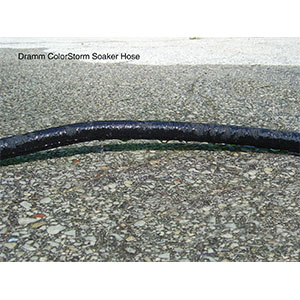
Premium Soaker Hose 50'
No 80170054

Buy Now

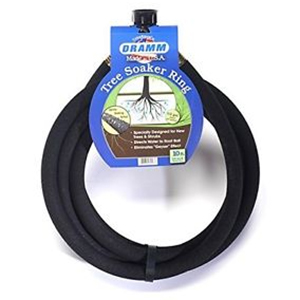
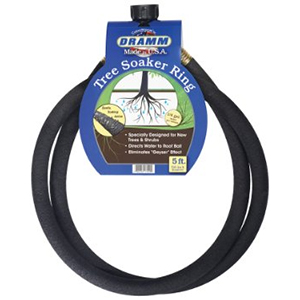
Tree Soaker Ring 5'
No 80170058

Buy Now

Tree Soaker Ring 10'
No 80170059

Buy Now

Forever-Flow Premium HD 50'
No 80560004

Buy Now

Forever-Flow Premium HD 100'
No 80560006

Buy Now

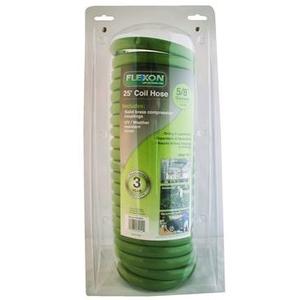
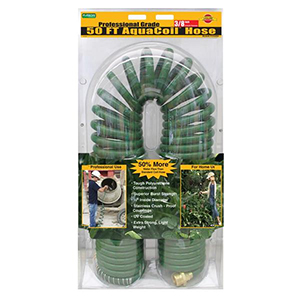
Aqua Coil Hose 25'
No 80560075

Buy Now

Aqua Coil Hose 50'
No 80560076

Buy Now

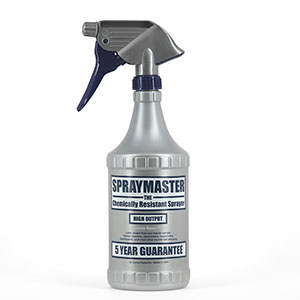
Spraymaster Sprayer 32 oz.
No 81690013

Buy Now

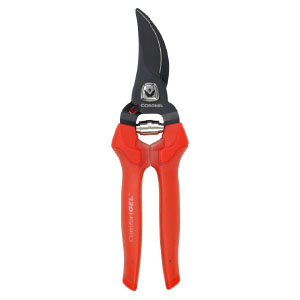
ComfortGEL Bypass Pruner
No 81380008

Buy Now

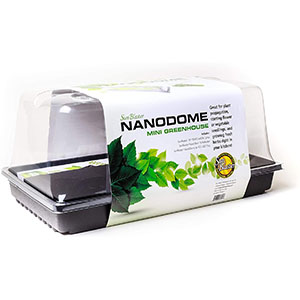
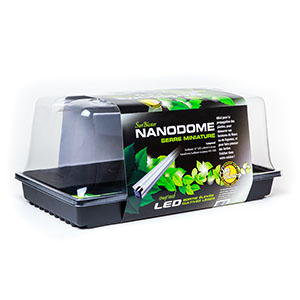
LED Mini Greenhouse Kit
No 81740074

Buy Now

T5HO Mini Greenhouse Kit
No 81740075

Buy Now

LED Mini Greenhouse Kit with light stand
No 81740080

Buy Now

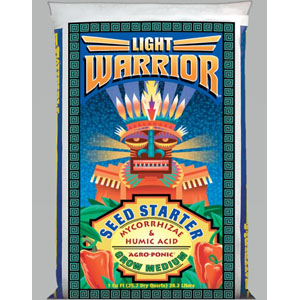
Light Warrior Potting Soil 1 cuft
No 82000169

Buy Now

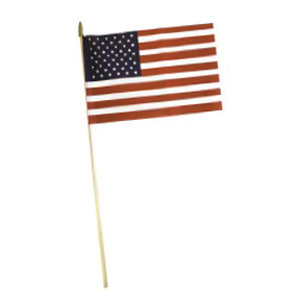
American Hand Flag 4"x6"
No 80360017

Buy Now

American Hand Flag 8"x12"
No 80360018

Buy Now

American Hand Flag 12"x18"
No 80360019

Buy Now


Printable version


Tuesday, October 15, 2019

Outdoor to Indoor Green


With temperatures finally falling and leaves are beginning to turn, there are many gardeners who have potted houseplants outside that consumers bring indoors for the winter months. Sounds easy enough, correct? However, there are some possible obstacles to defend against prior to transporting inside. Here are some seasonal tips to make these tasks successful.

Quick Inspection
Take a minute to visually look over the plant condition. Is the soil dry to the touch? Too wet? You might need to adjust the the moisture level needed for your plant. This can be done by either repotting the plant into a larger container or pot if too dry. Root bound plants tend to dry out quickly and water doesn’t necessarily absorb completely when soil is repeatedly dry.

Insects
Check the undersides of leaves for insects like spider mite, aphid, mealybug, and scale. Some of these insects are treatable with specific chemistry. If the plant is under siege by insect at this point, it is harder to control indoors. Covering the pot with a plastic bag allows you to spray the underside of the plant with a stream of water from a garden spray nozzle to loosen insect eggs and remaining bugs from the plant. If additional treatment is needed, spray your plant outdoors with a suitable houseplant insect control and make sure the plant is completely dry before bringing the plant indoors.

Disease
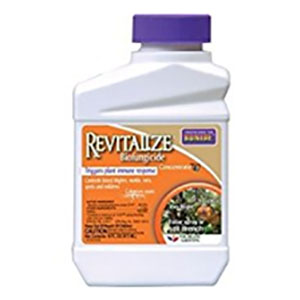
If you see disease on your plant leaves, take the time to carefully remove infected leaves and clean the pot of any debris remaining on the surface. Spraying with a general-purpose disease control that works both as a preventative and a curative can make a difference for the weeks ahead as the plant acclimates itself to new conditions. Bonide Revitalize and Monterey Complete Disease Control offers a high-quality remedy for just about any disease condition. 

Soil
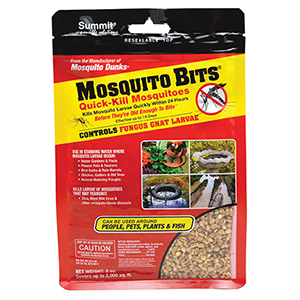
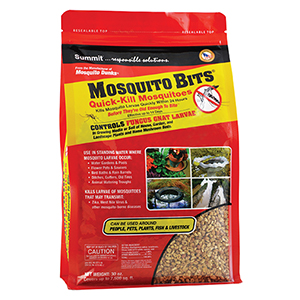
One of the most important components for indoor houseplants is the type of potting soil you might use. You will not need to have a moisture control additive for indoor plants. Your all-purpose potting soil should allow adequate draining. Plant saucers are recommended for indoors. If transplanting a pot bound plant, soak the entire plant ball in a vessel of water to hydrate. Remove from water and allow to stand and drain. Loosen the root mass carefully around the edge. It is not recommended to remove more than 25% of the plant ball at any time. Root systems are delicate and breaking apart roots indiscriminately will reduce their water intake and possibly kill your plant. Moisten the pot after replanting to hydrate new potting soil. No fertilizer application is needed at this time. If you want added protection from fungus gnats, apply Summit Mosquito Bits to the soil surface.

Final Steps
About 30 days after transplanting, you may select a fertilizer that is made for indoor houseplants. Bonide, Espoma, and Schultz make excellent products for indoor use. Check humidity levels regularly, as once your heater goes on, moisture in the air evaporates quickly. Some plants need filtered or direct sunlight to continue growth throughout the winter months. Carefully choose a place away from a heating vent, drafty doorways or windows.  You may also supplement your lighting with an indoor light fixture, indoor rated plant light bulb, and timer. If this is too much work for you, start over with some new green. It’s going to be a long winter. 


Choose from Some Product Suggestions


Clear Plastic Saucers - Sizes available from 4" - 12"
No 80340053

Buy Now

Mosquito Bits - 8oz
No 80530009

Buy Now

Mosquito Bits - 30oz
No 80530011

Buy Now

Revitalize Bio
No 80100912

Buy Now

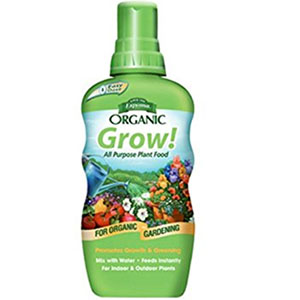
Grow! 2-2-2
No 80030175

Buy Now

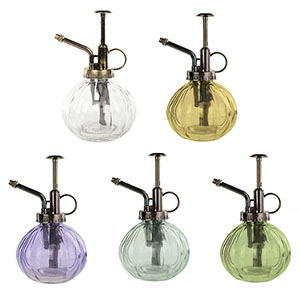
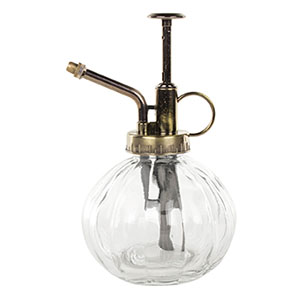
Syndicate Plant Mister - Sea Glass
No 81510155

Buy Now

Syndicate Plant Mister - Assorted
No 81510285

Buy Now


Syndicate Plant Mister - Clear
No 81510153

Buy Now


Printable version


Friday, August 23, 2019

Bring Home the Harvest


Enjoying the fresh picked vegetables and herbs from the garden is the ultimate feel good story of the summer, especially if sharing with friends and family. Here are some tips for the harvest to help make your garden a better place to grow.

Using the Right Tool for the Job

Our efforts throughout the spring and into the summer included feeding, watering, and possibly weeding to bring those plants to harvest. Adjusting along the way for water, temperature, and winds, it’s time to snip, pick, pull, or pluck your bounty. Using the right pruner is mostly a matter of choice. The bypass pruner does a great job of collecting the stem portion inside the curved portion of the blade and allows a clean slice through the plant tissue. Anvil pruners, with its flat surface takes a steadier hand and will compress the blade against the flat steel anvil. This method may cause the wound to take a bit longer to heal over and possibly offer disease or insects a bit more opportunity. If using the very same pruners in the garden that you are using for all your trimming needs, it would best a good practice to clean the secuteers with a solution of one-part bleach to three-parts of water by immersing into a suitable container and allowing the blades to dry thoroughly before use on vegetables and herbs. You eliminate any disease spores from transferring onto or into the plant. 

Clean Beds as You Go

In maintaining your garden, it is also a good practice to clean debris and fallen leaves from around your plants. This also helps reduce potential disease issues that might turn up as the plants slow down or feel the pressure of summer heats or growth exhaustion. It can prolong your plants ability to produce fruit, encourage leaf development and retention, while making the plant believe that its mission is still to produce and not quit. Remove competing weed growth between plants, too! This allows all of the soil moisture and fertilizer nutrients to go directly to the plant. Continue to gently tie up vines onto supports using non girdling ties that might cut through the plant stems. Winds from unexpected late summer thunderstorms can make quick work of wrecking a clustered vine of beautiful tomatoes when you least expect it. 

Inspect to Protect

Another ongoing chore is inspecting leaf surfaces for insect issues or disease before the problem gets out of hand. There are still great remedies for insect and disease control in garden dusts. The added benefit is that there is little chance to burn a plant with liquid chemistry. Before you would use a liquid solution, make sure the plant is fresh and has had adequate moisture uptake. Refrain from using any chemical with an oil base to eliminate spray burn from intense sunlight. Spray early in the morning or early in the evening after the sun has set. If you have pets and children make sure you allow the area to dry completely before re-entering the area. 

The Second Season

For those of you who enjoy gardening into the fall, as you remove plants from the spring garden, till the soil and add a non-burning soil amendment, compost, or manure which are commonly available. If you plan to feed, use a slow release organic fertilizer to offer a steady and usable nutrient source. Too much nitrogen might burn or create excessive growth. There are some great lightweight potting soils that can be added to help speed along good “seed to soil” contact for any seed germination needs. The nurseries and greenhouses from years past would offer and promote crops for October and November harvest. Broccoli, cabbage, and lettuce are still possibilities for bringing your late harvest to your dinner table. Add some herbs to the garden to make your favorite recipes aromatic and flavorful for many weeks more.


Here Are Some Great Selections For the Fall Garden


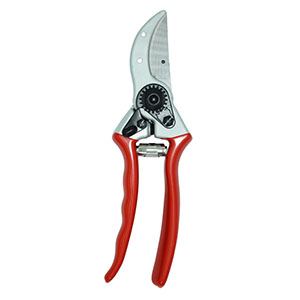
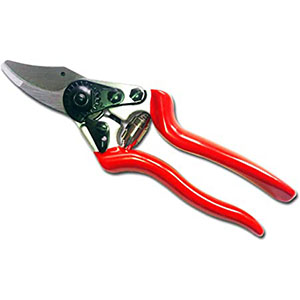
#2 Classic Swiss Style Forged Aluminum Handle Bypass Pruner
No 81930004

Buy Now

#6 Classic Swiss Style Forged Aluminum Handle Bypass Pruner
No 81930005

Buy Now

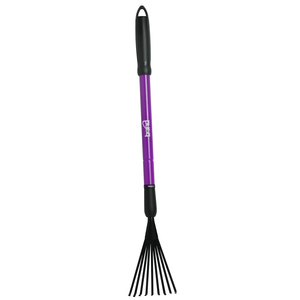
Shrub Rake
No 80340217

Buy Now

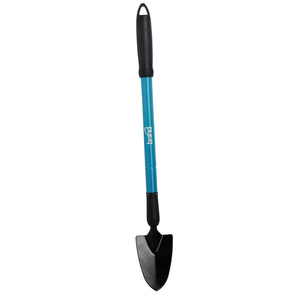
Trowel
No 80340218

Buy Now

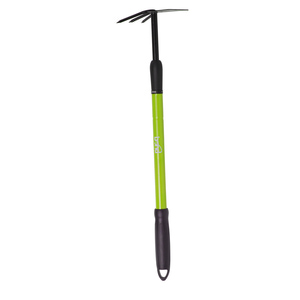
Culti-Hoe
No 80340219

Buy Now

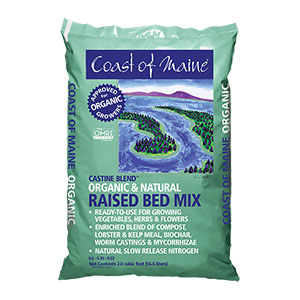
Castine Raised Bed Mix 2 CF
No 81600061

Buy Now

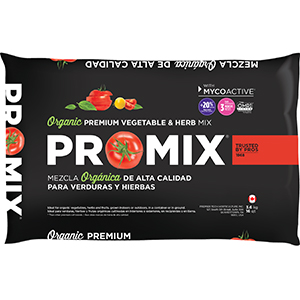
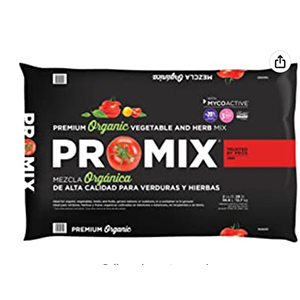
Organic Premium Vegetable & Herb Mix 16 qt.
No 80310032

Buy Now

Organic Premium Vegetable & Herb Mix 1 CUFT
No 80310013

Buy Now

Organic Premium Vegetable & Herb Mix 2 CUFT
No 80310014

Buy Now

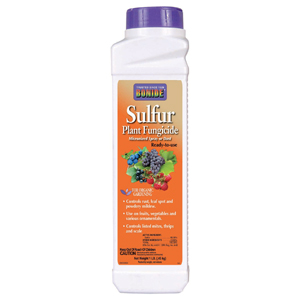
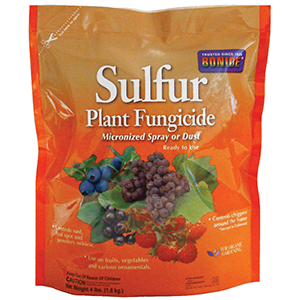
Sulfer Dust 1lb.
No 80100156

Buy Now

Sulfer Dust 4lb.
No 80100276

Buy Now

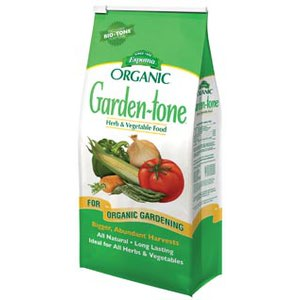
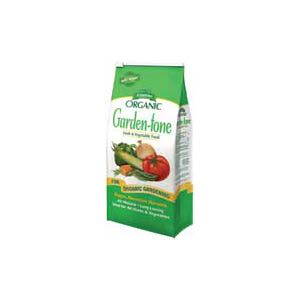
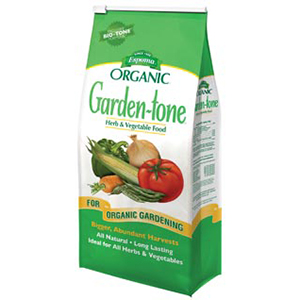
Garden Tone 3-4-4 4lb.
No 80030018

Buy Now

Garden Tone 3-4-4 8lb.
No 80030035

Buy Now

Garden Tone 3-4-4 36lb.
No 80030113

Buy Now

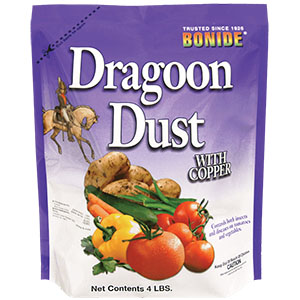
Dragoon Dust 4lb.
No 80100597

Buy Now

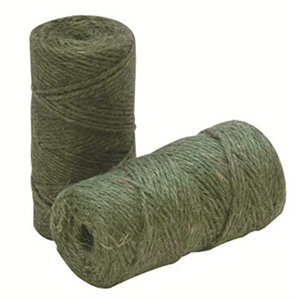
Green Jute Twine - 200'
No 80340315

Buy Now

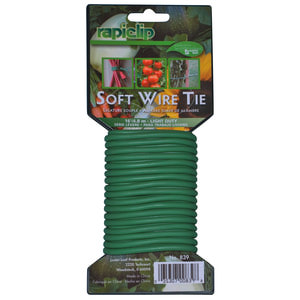
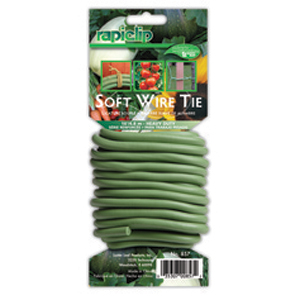
Rapiclip 16' Soft Wire Tie - Green
No 80140015

Buy Now

Rapiclip 16' Soft Wire Tie - Green - HD
No 80140016

Buy Now


Printable version


Wednesday, July 10, 2019

Second Chance Chemistry


No matter where you live, there are times when folks apply chemicals to their lawn or garden and the results are not what they would hope to expect. Relax, it is more common than you think. Many consumers read the label incorrectly, and some don’t read them at all.  Consumers make bad choices that are convenient, even by picking the wrong time to treat. With summer weather’s uncertainty, solutions might be applied just prior to unexpected rainfall which reduce or eliminate optimum results. Here are some examples of alternatives for those customers that might need a second chance at success.


Herbicide Happy

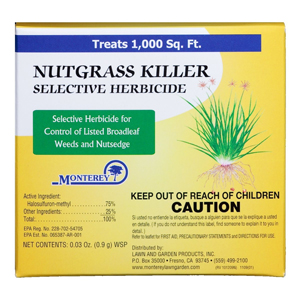
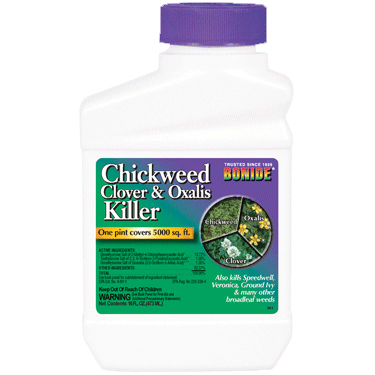
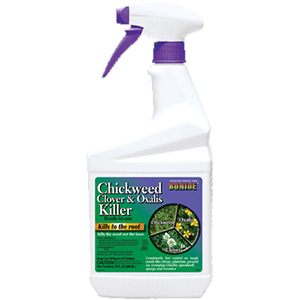
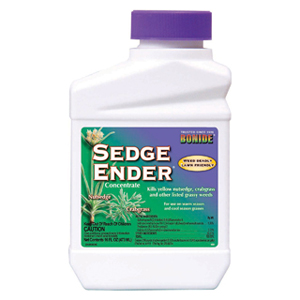
Traditionally, most of the volume of sales on weed and grass killers is sold during the summer months and into early fall. While clover killer sales are still ringing the register, these products are sold because clover in the lawn ramps up when available nitrogen is lacking. The grassy weeds like crabgrass are gaining strength and crowding out good stands of grass if left unchecked. Most of these customers either missed their application of crabgrass pre-emergent, under applied the chemical, or have received excessive amounts of rainfall to weaken effectiveness. Newer chemistry (with active Quinclorac) has allowed consumers to use a crabgrass killer through a hose end sprayer making it more convenient for spot treating lawns versus treating every nook and cranny. Nutgrass is common during the summer as it grows faster than lawn grasses. It is a slender lighter color green with multiple leaves on the stem. A specific chemical works to kill this nuisance weed found in Bonide’s SedgeEnder product (Sulfentrazone). This selective weed killer may need a second application on recurring nutgrass during the next month. Monterey has a Nutgrass Killer II product containing Halosulfuran, which is another great alternative.

Poison Ivy Killer Isn’t Working?

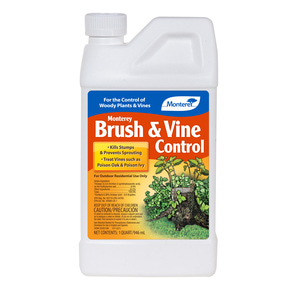
One of the more interesting discussions in the chemical aisle revolve around poison ivy killers. Some chemicals like RoundUp, KleenUp, and glyphosate-based herbicides list on the label that they treat poison ivy. I would normally concur depending on the early stages of growth. Poison ivy explodes in summer and if left untreated can be very hard to eradicate in successive years. One chemical active, Triclopyr, is that second chance ingredient that takes out stubborn poison ivy. Monterey Brush & Vine has an 8.8% Triclopyr ingredient that penetrates the ivy bark and kills the plant. It may also double as a stump killer, too!

Seeing Spots

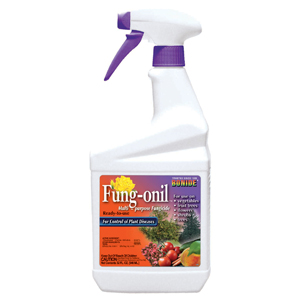
This year has been an unusually wet one in most regions. Lawns and especially plants that started spring with thick and lush growth are just beginning to slow down due to intense heat. What is hiding down under, is another issue. Roses for example, are susceptible to the disease Blackspot, which is causing defoliation on many roses right about now. This disease starts at the bottom and works its way up the plant. Even for gardeners who applied preventative disease controls, once you get this disease, it spreads quickly by wind, rain, or even splashing of spray water. You need to remove the spotted leaves from the bottom of the rose bush, clean the diseased leaves that have fallen and begin treatment with a curative chemical, Chlorothalonil, commonly known as Daconil. Bonide Fung-onil has this unique ingredient that works right away to control blackspot. Another suggestion is Monterey Consan 20 which can be used on many types of plants, roses, and even lawns to treat and control disease. The added benefit of you selling these unique chemical products in your store is that the box stores don’t stock or sell these products. Very little research is offered on how chemicals are sold at retail, but homeowners usually want you to suggest and select for them. Make sure you to mention to your sales staff and customers that they should read the label and follow the directions as stated by the manufacturer, especially if you are putting the product into their hands. Consumer safety and success starts with our salesmanship.


Summer Products for Your Store


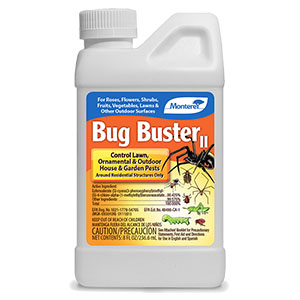
Bug Buster II
No 80820226

Buy Now

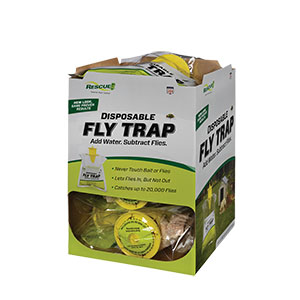
Disposable Fly Trap
No 80220004

Buy Now

Consan 20 16oz Con
No 80820212

Buy Now

Consan 20 32oz Con
No 80820213

Buy Now

Nutgrass Killer II Selective Herbicide
No 80820014

Buy Now

Fung-onil RTU qt
No 80100143

Buy Now

Fung-onil 8oz Con
No 80100632

Buy Now

Fung-onil Con qt
No 80100198

Buy Now

Chickweed, Clover & Oxalis Killer 16oz Con
No 80100202

Buy Now

Chickweed, Clover & Oxalis Killer 32oz RTU
No 80100203

Buy Now

Sedge Ender 16oz Con
No 80100004

Buy Now

Sedge Ender 32oz RTU
No 80100880

Buy Now

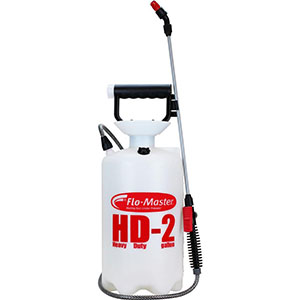
2 Gal Premium Funnel Top Sprayer
No 81880004

Buy Now

Brush & Vine Control
No 80820013

Buy Now

Trunk Liners - ORDER NOW FOR MUM SALES
No 81550002

Buy Now


Printable version